English Civil War: Difference between revisions
(Created page with "{{Year|year=307 CE}}{{War|title1=English Civil War|image1=Englishcivilwar.gif|video=https://www.youtube.com/watch?v=OnMYynPr2XY|date=307 CE|location=England|outcome=Bust The Neo-Tories! Victory|side1=*{{Flagicon2|SecondPeoplesRepublicOfEngland}}|side2=*{{Flagicon2|EnglishAgrarianState}} *{{Flagicon2|FalklandsRepublic}}|side3=*{{Flagicon2|BustTheNeoTories}}|commanders3=Edan Spence}} The socialist government in England took a much more hardline stance on i...") |
No edit summary |
||
| (One intermediate revision by the same user not shown) | |||
| Line 4: | Line 4: | ||
The socialist government in [[England]] took a much more hardline stance on internal issues after a recent election, introducing full-scale collectivization of farms and state-directed distribution of agrarian products, leading to many conservative-leaning figures which dominated the agricultural sector launching a series of strikes. In order to end the strikes, the English government entered negotiations with the strikers which caused many radicals within the government to form the "[[Bust The Neo-Tories!]]" movement to crush the strikes with force, leading to several hundred casualties in the ensuing clashes which only caused the strikes to spread, with overseas territories such as the Falklands being nearly completely overrun by strikers. In order to end the violence, the English Government and the strikers signed an agreement which saw the collectivization law repealed and the BTNT legally disbanded, though the BTNT itself saw this as 'illegal placation of reactionaries' and launched a march on London, overthrowing the English government and placing their hardline Marxist leader [[Edan Spence]] in charge, with the former government only briefly holding onto [[Liverpool]] before succumbing to the BTNT's new government. The new government promptly cancelled the peace settlement and moved in to crush the strikes with force, prompting the strikers to proclaim the '[[English Agrarian State]]' in response, though they were quickly destroyed due to their lacking military forces. Agrarianist forces occupying most of the Falklands moved for independence as the '[[Falklands Repblic]]', but any attempts to secure independence were rejected by the BTNT as their armies arrived to restore order, which was soon achieved. | The socialist government in [[England]] took a much more hardline stance on internal issues after a recent election, introducing full-scale collectivization of farms and state-directed distribution of agrarian products, leading to many conservative-leaning figures which dominated the agricultural sector launching a series of strikes. In order to end the strikes, the English government entered negotiations with the strikers which caused many radicals within the government to form the "[[Bust The Neo-Tories!]]" movement to crush the strikes with force, leading to several hundred casualties in the ensuing clashes which only caused the strikes to spread, with overseas territories such as the Falklands being nearly completely overrun by strikers. In order to end the violence, the English Government and the strikers signed an agreement which saw the collectivization law repealed and the BTNT legally disbanded, though the BTNT itself saw this as 'illegal placation of reactionaries' and launched a march on London, overthrowing the English government and placing their hardline Marxist leader [[Edan Spence]] in charge, with the former government only briefly holding onto [[Liverpool]] before succumbing to the BTNT's new government. The new government promptly cancelled the peace settlement and moved in to crush the strikes with force, prompting the strikers to proclaim the '[[English Agrarian State]]' in response, though they were quickly destroyed due to their lacking military forces. Agrarianist forces occupying most of the Falklands moved for independence as the '[[Falklands Repblic]]', but any attempts to secure independence were rejected by the BTNT as their armies arrived to restore order, which was soon achieved. | ||
After 3 months of nation-wide chaos due to the BTNT's coup, peace and stability was restored in England as the previous collectivization policies were accelerated as all farms were collectivized and most private enterprises were nationalised. | After 3 months of nation-wide chaos due to the BTNT's coup, peace and stability was restored in England as the previous collectivization policies were accelerated as all farms were collectivized and most private enterprises were nationalised. In the following years, the BTNT government introduced "proscriptions" that saw wealthy and right-wing people's personal information publicized on lists in order to essentially legalize their murder, leading to a mass exodus of targeted individuals to Scotland and Wales where they formed the "[[Royal Brigade in Exile]]" with aspirations of overthrowing England's government, leading to heightened diplomatic tensions while in England itself a underground group known as "The English Right" was formed. | ||
{{History}} | {{History}} | ||
[[Category:History]] | [[Category:History]] | ||
[[Category:Wars]] | [[Category:Wars]] | ||
Latest revision as of 23:40, 8 December 2025
| English Civil War | ||||
|---|---|---|---|---|
 | ||||
| Video | https://www.youtube.com/watch?v=OnMYynPr2XY | |||
| Date | 307 CE | |||
| Location | England | |||
| Outcome | Bust The Neo-Tories! Victory | |||
| Combatants | ||||
| Commanders | ||||


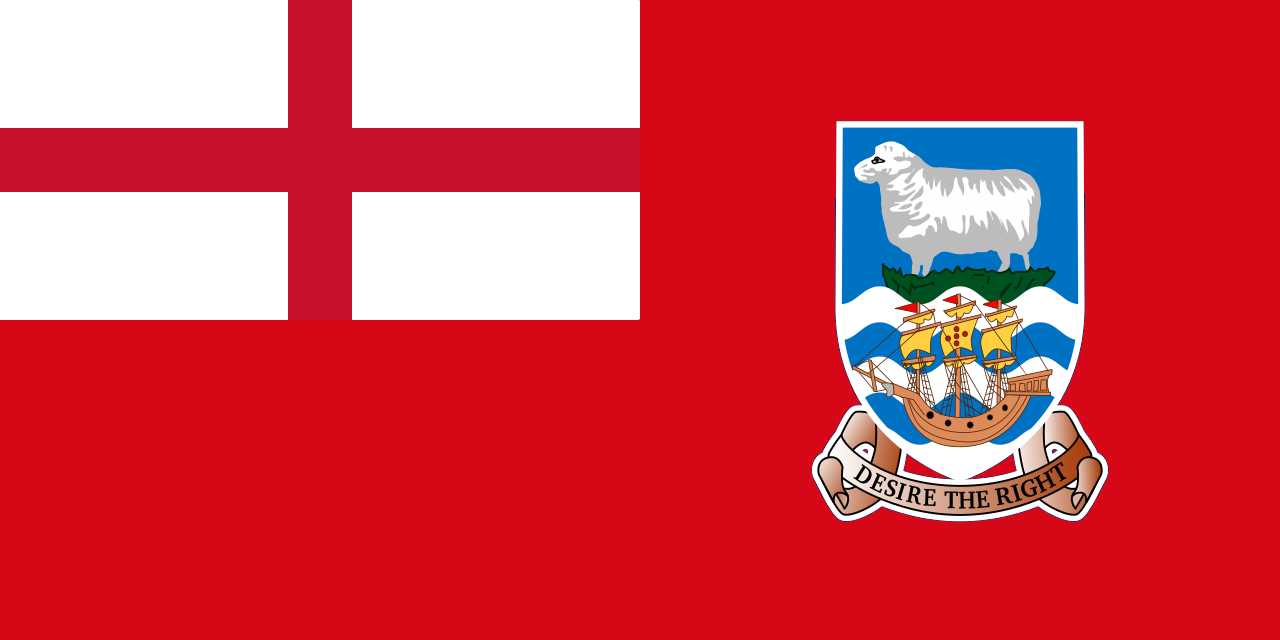
The socialist government in England took a much more hardline stance on internal issues after a recent election, introducing full-scale collectivization of farms and state-directed distribution of agrarian products, leading to many conservative-leaning figures which dominated the agricultural sector launching a series of strikes. In order to end the strikes, the English government entered negotiations with the strikers which caused many radicals within the government to form the "Bust The Neo-Tories!" movement to crush the strikes with force, leading to several hundred casualties in the ensuing clashes which only caused the strikes to spread, with overseas territories such as the Falklands being nearly completely overrun by strikers. In order to end the violence, the English Government and the strikers signed an agreement which saw the collectivization law repealed and the BTNT legally disbanded, though the BTNT itself saw this as 'illegal placation of reactionaries' and launched a march on London, overthrowing the English government and placing their hardline Marxist leader Edan Spence in charge, with the former government only briefly holding onto Liverpool before succumbing to the BTNT's new government. The new government promptly cancelled the peace settlement and moved in to crush the strikes with force, prompting the strikers to proclaim the 'English Agrarian State' in response, though they were quickly destroyed due to their lacking military forces. Agrarianist forces occupying most of the Falklands moved for independence as the 'Falklands Repblic', but any attempts to secure independence were rejected by the BTNT as their armies arrived to restore order, which was soon achieved.
After 3 months of nation-wide chaos due to the BTNT's coup, peace and stability was restored in England as the previous collectivization policies were accelerated as all farms were collectivized and most private enterprises were nationalised. In the following years, the BTNT government introduced "proscriptions" that saw wealthy and right-wing people's personal information publicized on lists in order to essentially legalize their murder, leading to a mass exodus of targeted individuals to Scotland and Wales where they formed the "Royal Brigade in Exile" with aspirations of overthrowing England's government, leading to heightened diplomatic tensions while in England itself a underground group known as "The English Right" was formed.
