Second Kalevian Civil War

Work in Progress pages are pages that haven't been finished yet, leaving them with only spare and incomplete content. Please help by completing it!
| Second Kalevian Civil War | |||
|---|---|---|---|
| File:Tba | |||
| Video | tba | ||
| Date | 115 CE - | ||
| Location | Kalevala | ||
| Outcome | tba | ||
| Combatants | |||
| |||
| Commanders | |||
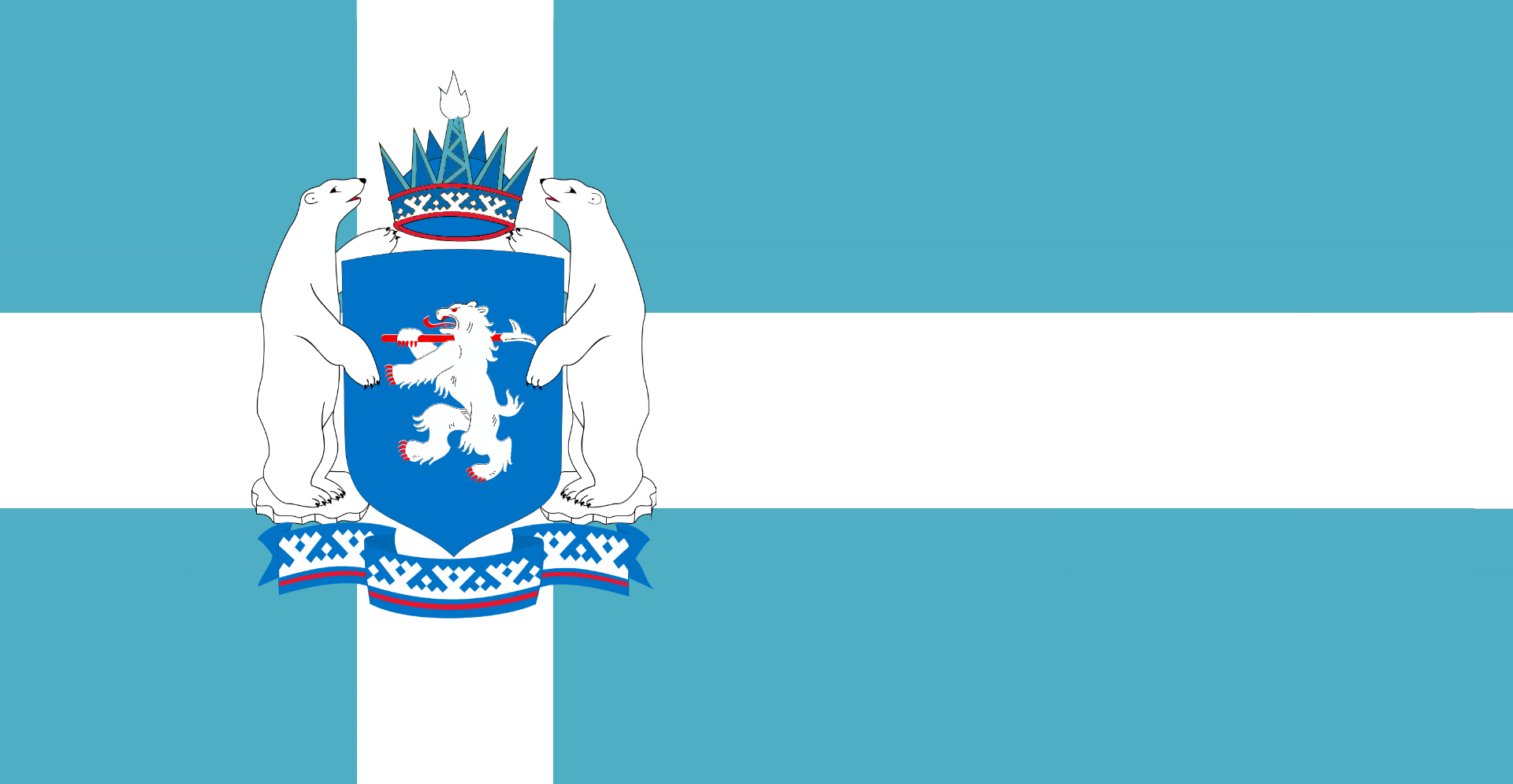
After the Yetian Intervention War the government of the Republic of Kalevala was reorganized into the communist People's Republic of Kalevala, which proved to be extremely unpopular among the largely conservative and liberal population of Kalevala. Two major movements opposing the communist regime were formed; the 'The Movement against Communism (MAC)' and the 'Karelian Independence Movement', leading to the MAC quickly seizing the Karelia Province and the KIL seizing the Ladoga Province. Determined to overthrow the communist government, the two movements unified into the 'Kalevian Resistance' and launched an uprising across the east of the country.
After refusing an ultimatum to stand down, the People's Republic launched an immediate intervention and invaded the rebellious provinces, prompting them to beg for international aid from other countries, with Luvamatrilia providing old weapons and one volunteer in return for some bodies. With some international support and much wider domestic support than its enemy, the Resistance quickly managed to push out and capture Helsinki, soon being followed by the entirety of the western half of the country. Fearing the fall of communism in the country, the ULSR began sending support and the UQSR fully intervened in the conflict, leading to a stalemate.
