Second English Civil War
| Second English Civil War | |
|---|---|
| File:Tba | |
| Video | tba |
| Date | 309 CE |
| Location | Great Britain |
| Major Battles |
|
| Combatants | |
| Faction #1 | BTNT Government |
| Faction #2 | Anti-Marxist Coalition |
| Faction #3 | Moderate Socialists
Cornish Separatists |
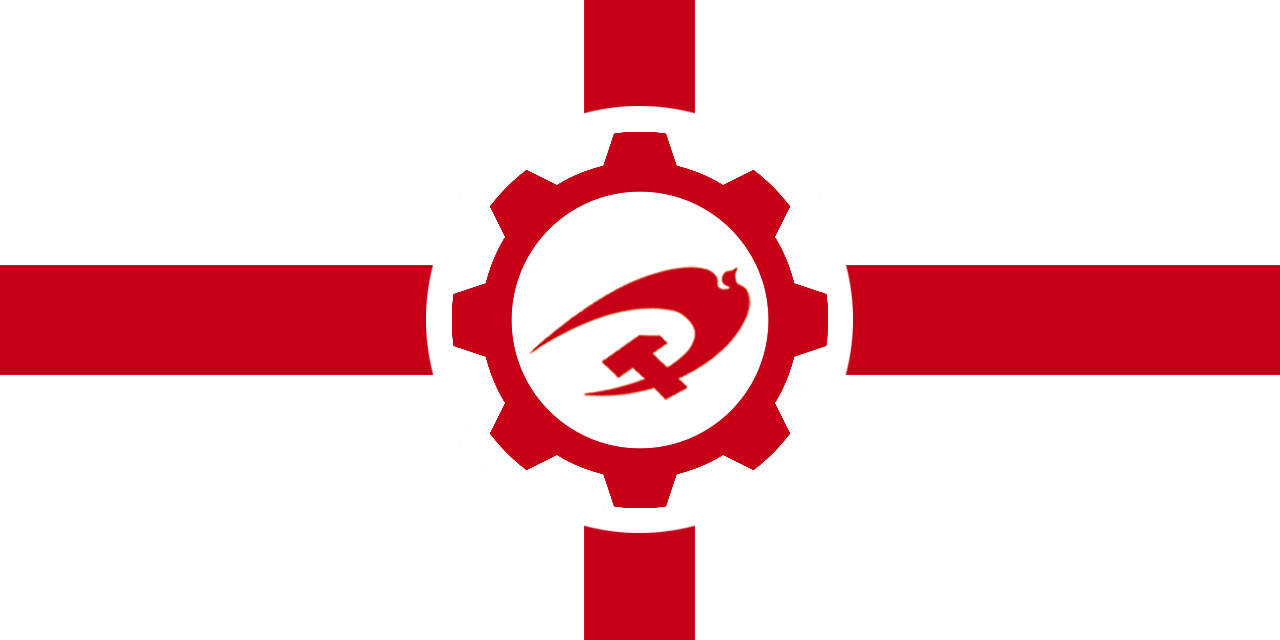
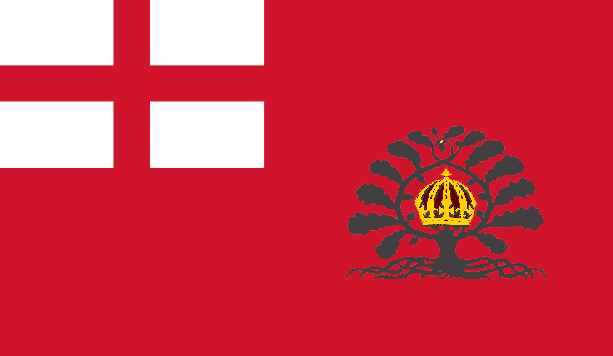
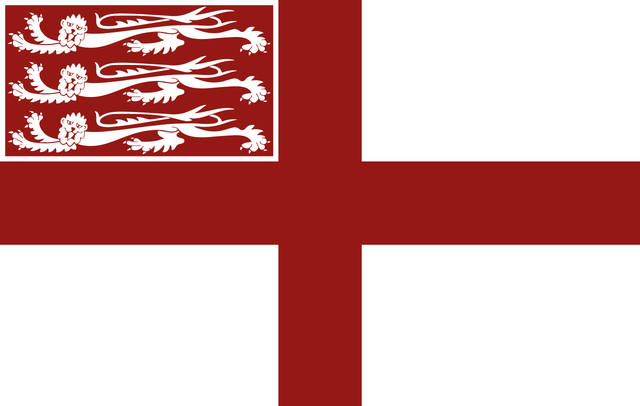
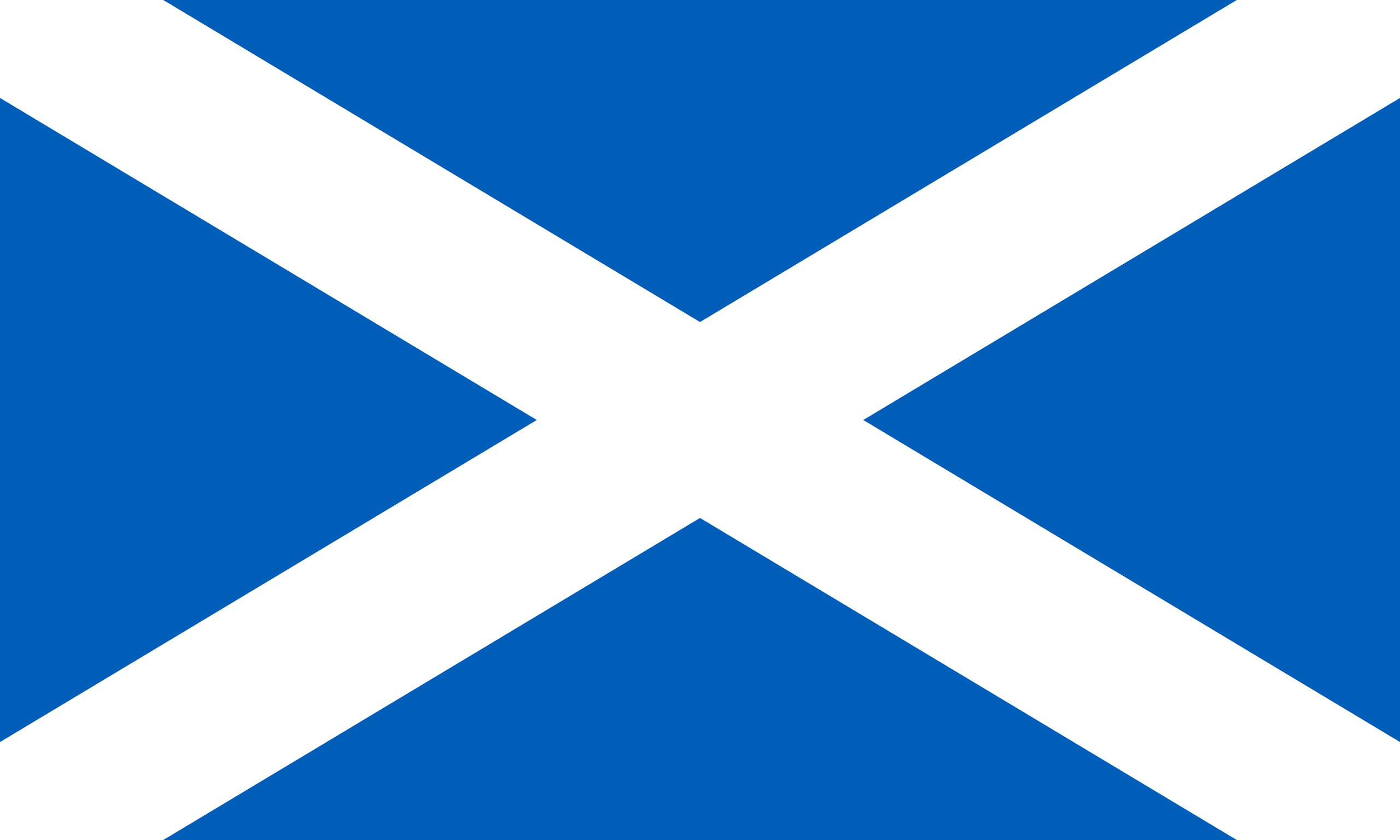
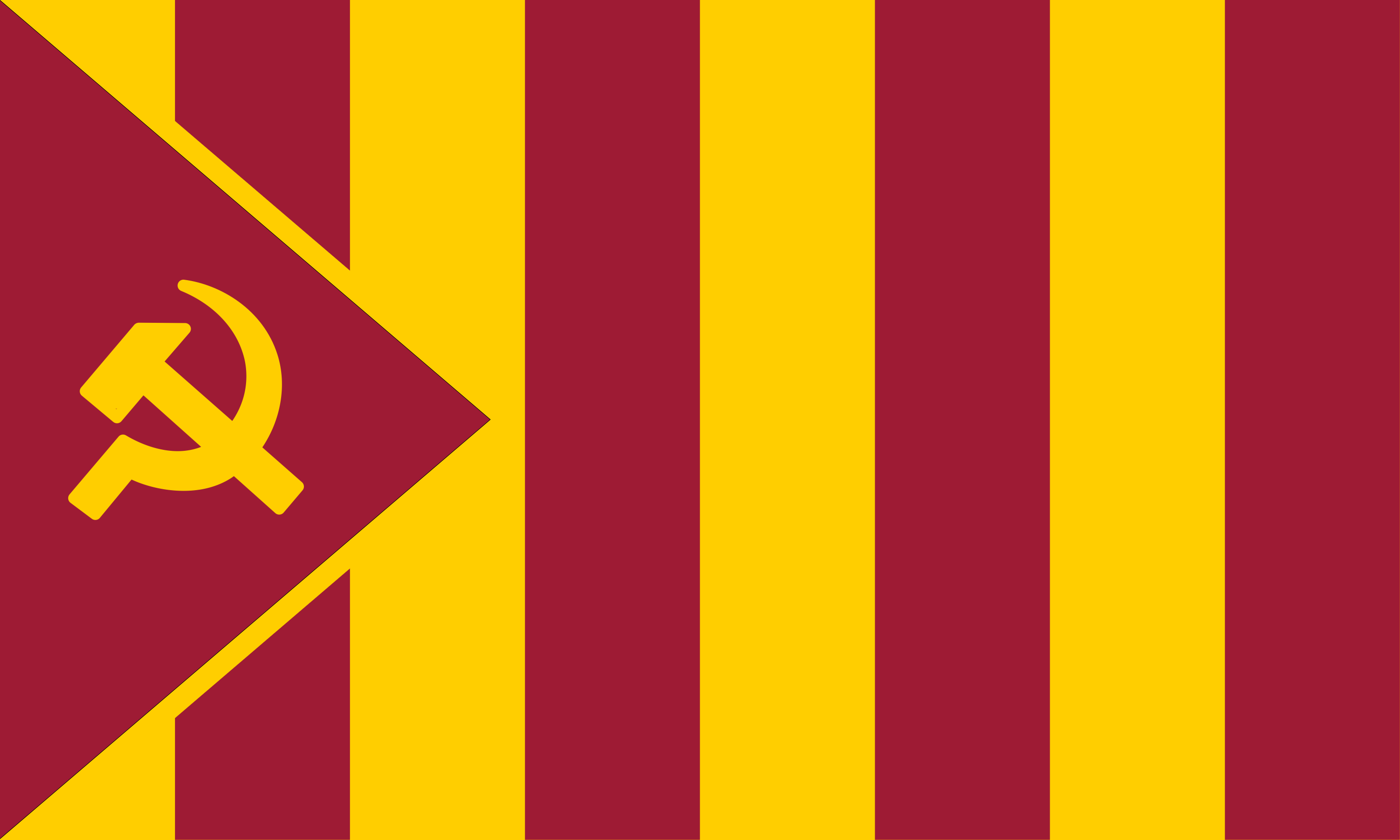
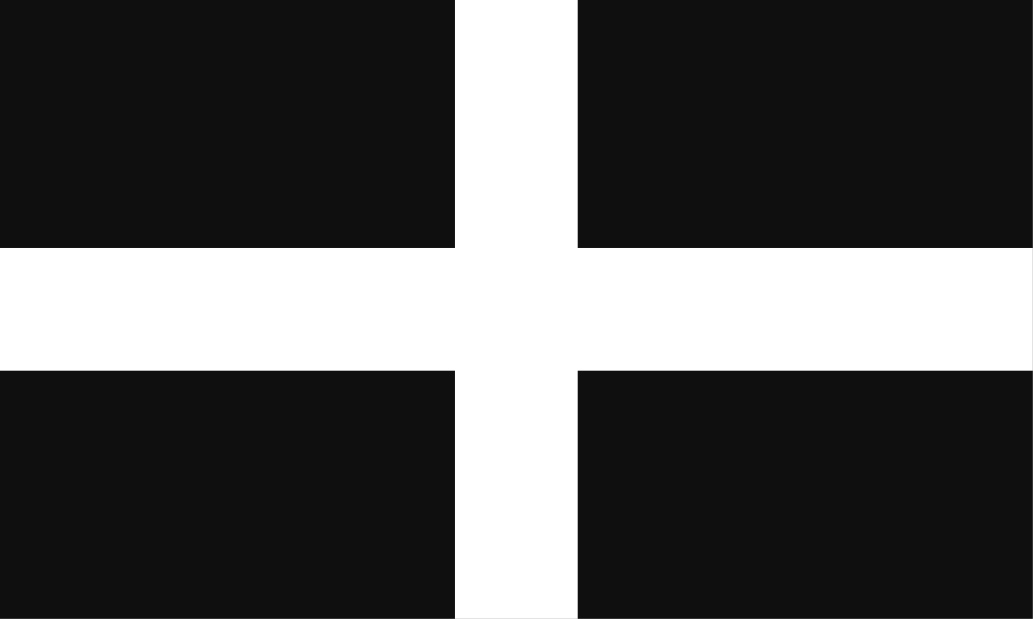
In the years following the (first) English Civil War, the BTNT government that had come to power in England introduced "proscriptions" that saw wealthy and right-wing people's personal information publicized on lists in order to essentially legalize their murder, leading to a mass exodus of targeted individuals to Scotland and Wales where they formed the "Royal Brigade in Exile" with aspirations of overthrowing England's government, leading to heightened diplomatic tensions while in England itself a underground group known as "The English Right" was formed. Years later, terrorist attacks by the RBE and TER were launched thru wales into the western midlands, prompting major government crackdowns and mass-arrests which freaked out the 'Coalition of Anti-Marxists' consisting of the RBE, TER, and Scotland enough to realise that intervention was the only way to prevent the destruction of their movements, prompting the former two to declare open rebellion while the latter declared war.
Anti-Marxist forces rushed through Northumberland and Yorkshire past English defences while the TER spread across the West Midlands and launched various other regional revolts such as in Cornwall, Oxford, and the Falklands (with the BTNT only really holding onto Stanley). English forces began falling back as a general mobilization was issued. Anti-Marxist forces moved on London and prepared to besiege the city as it was still quite highly defended. After some fighting, the TER managed to capture London and execute the BTNT government, officially proclaiming the dissolution of the People's Republic of England and the formation of the 'English Interim State' as a temporary compromise due to intense disagreements between the TER (who favoured a 'national republic') and the RBE (which favoured a monarchy). With the conservative forces pausing their advances to stabilize the territories they held, the People's Republic split in half as moderate elements of the formerly ruling English Socialist Party staged a revolt against the BTNT, blaming them for the crisis as socialist divisions turned one another, with the ESP securing Norfolk and the northwest while the BTNT held the south, with the ESP's pacification of the greater Manchester and Gloucester area leading to many BTNT forces surrendering to the TER in order to avoid punishments from the ESP. With the BTNT weakened and in the middle of a schism, the Cornish Regional Assembly rose up and occupied Cornwall due to believing that no other government was capable of governing them.
ESP forces in Norfolk were disarmed by the TER as it gradually moved to secure remaining pockets of resistance. Conservative forces launched an offensive into the southwest while TER militias operating in Cornwall and Dorset advanced east, leading to most organized BTNT resistance dispersing as pockets remained in Bristol, the Isle of Wight, and Brighton, though the latter two fell without that much of a fight while the fight for Bristol was a long siege as the BTNT held on for a while until its southern flank collapsed due to defections, leading to the defences in the city slowly crumbling.
