Second Turkestan War
| Second Turkestan War | ||||
|---|---|---|---|---|
 | ||||
| Video | https://www.youtube.com/watch?v=NYm13y8A2yo | |||
| Date | 216 CE - 226 CE* | |||
| Location | Central Asia | |||
| Outcome | Merged into Second Great Asian War | |||
| Combatants | ||||
| ||||
| Commanders | ||||
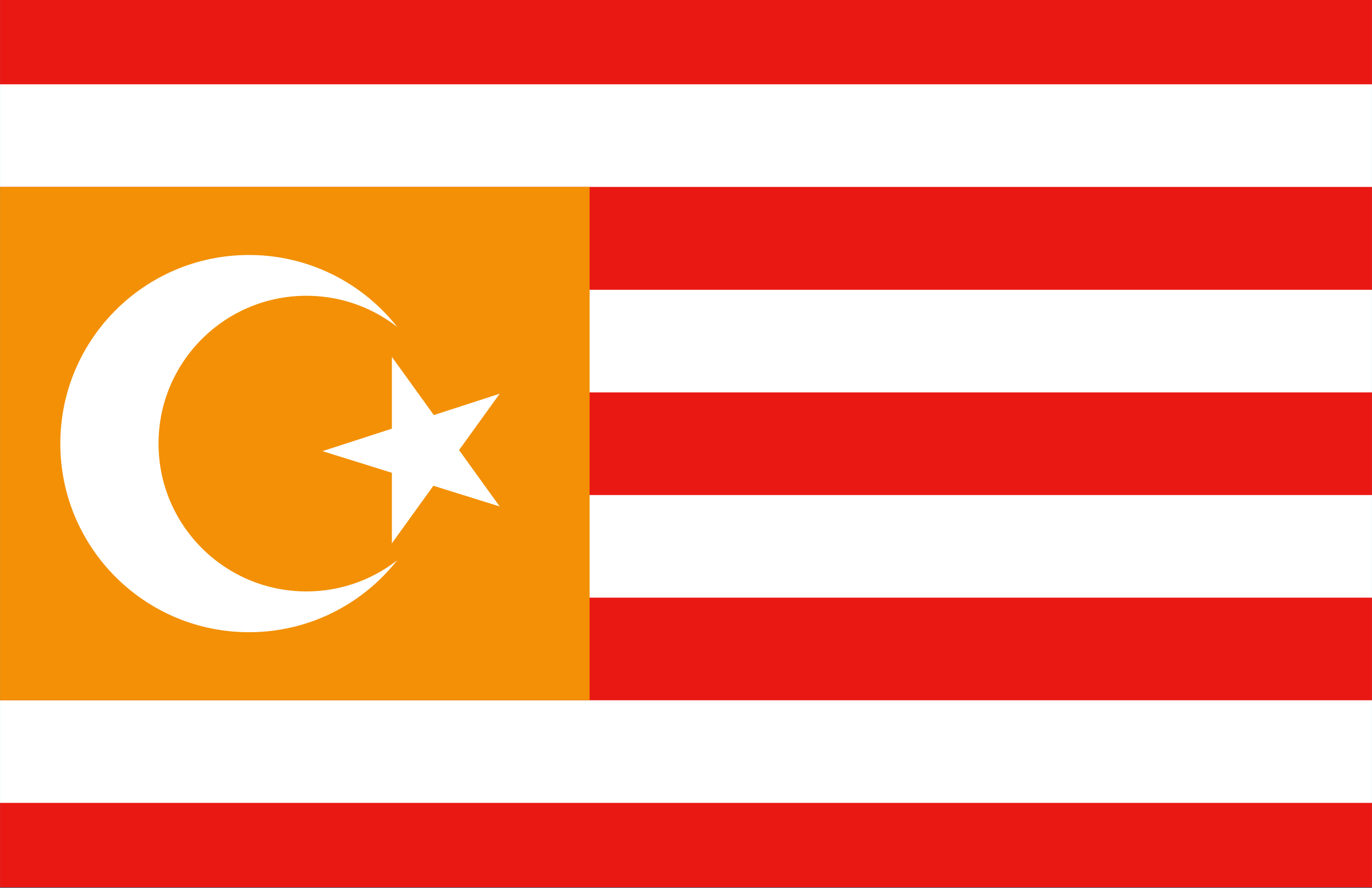


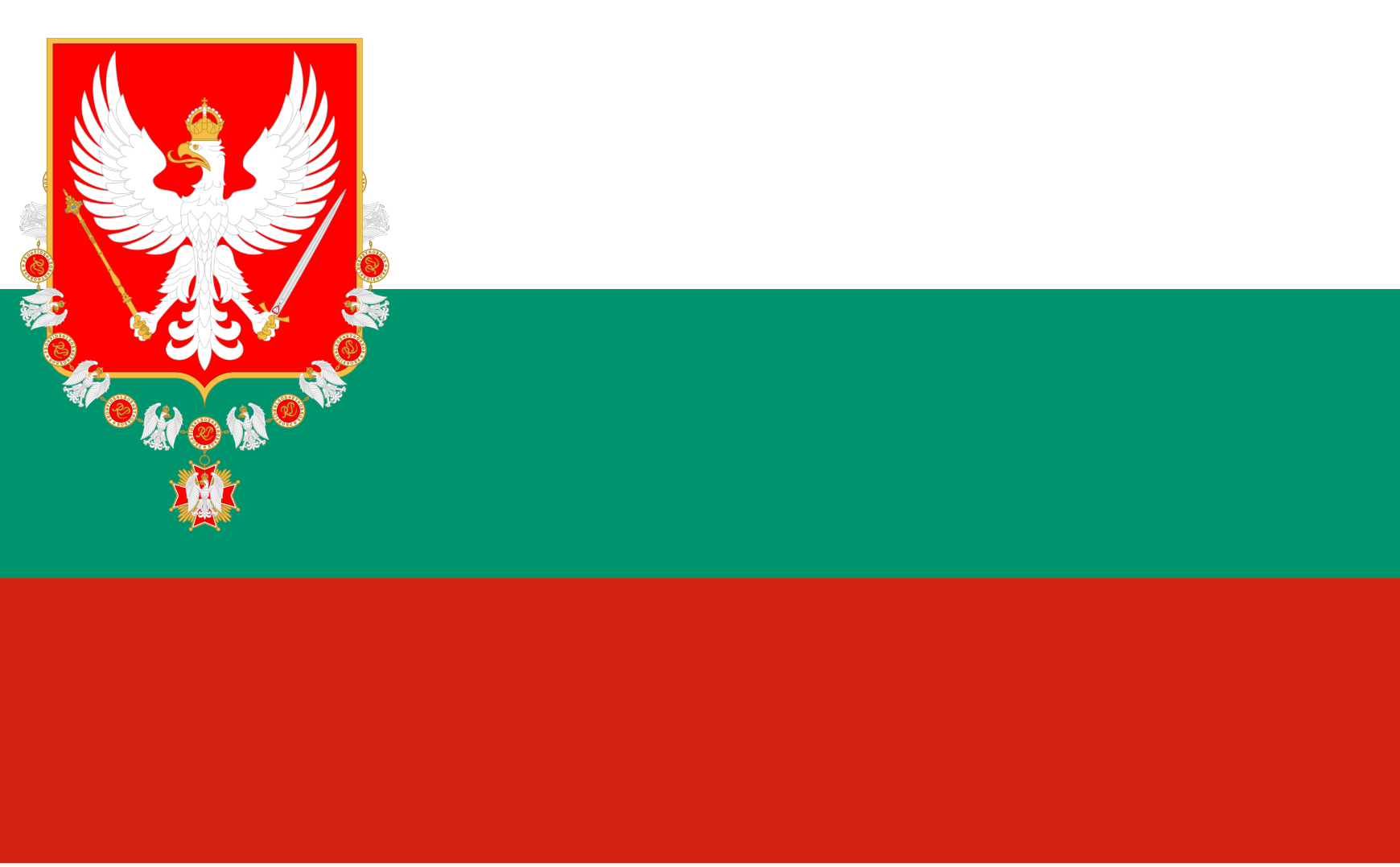
After decades of simmering doubts, Anakistan moved to voice its concerns about its continued membership as a part of Turkestan, claiming how the previous government had told them that Sizzle was telling them what to do and controolling them only to do the exact same thing, so they wished to regain independence. Turkestan was nervous but offered a referendum, which resulted in a suspicious 90% voting to remain in Turkestan. As reports of people calling these results fraudulent came out, Anakistan took a stand and proclaimed that it would be independent regardless of Turkestan's opinions, ignoring all of Turkestan's opinions. Polsk offered to help Anakistan, but they refused, so Polsk began preparing for an 'intervention' as its ships hovered above the region.
Turkestan's armies attacked into Anakistan until Polskan ships began bombarding the borders and Turkestan's major cities, allowing Anakistan to push Turkestan back. With its country being bombed to the ground, Turkestan decided to beg for international aid by contacting Tritonia for help after explaining the situation, which made Tritonia very sympathetic especially after Polsk said it was using them as 'target practice', though Tritonia was unable to directly intervene or even stop the bombings without causing a massive planet-wide conflict which would lead to even more deaths. Fearing Polsk more than Anakistan, Turkestan reluctantly recognized their independence. Polsk kept attacking however despite being told of how Turkestan wasn't exactly the most valuable territory to control, landing hundreds of thousands of soldiers in both Turkestan and Anakistan who were now forced to begin collaborating. Sizzle took notice of the crisis and decided to intervene to prevent loss of life, prompting Polsk to warp in more vessels and begin bombing Sizzle. Sizzle would soon leave the war after Polsk carpet bombed it with nuclear weapons, seeking to avoid casualties. Turkestan set up defensive lines around Polskan forces to try to prevent them from spreading out, so Polsk intentionally disorganized their army to launch a renewed attack.
Insurgency Phase
The war would slow down after this point, with Polsk officially annexing the country and storming their government building, managing to assert controol over much of the country while the countryside remained defiant as they were armed by foreign weapons (with New Sizzle being seized by Sozzle). Polsk took action against the resistance forces, forming its own asymmetric combat terrorists under the guidance of the Polsk Central Intelligence Service as well as bombing Beijing due to the global weapons exports. Polsk would soon construct a space-tether in the region, which Turkestan attempted to bomb which lead to Polsk kidnapping the families of resistance fighters and mailing their remains to the insurgents after they tried to fire artillery on the Aralsk Spaceport (which failed as they were blown up by massive autocannons). As Turkestani forces continued to disperse, Polsk sent out cloaked 'Ghost Soldiers' to hunt them down.
Turkestani insurgents cut off most land supply routes in the south-west and besieged the major city of Caspiolcita, forcing Polsk to fly in supplies into the city as brutal flame-thrower armed 'Purifyer Soldiers' and defector ex-Covenant soldiers recaptured railways while the Ghost Soldiers slipped behind enemy lines due to Turkestan not being able to crack the cloaking technology. Meanwhile, Polsk had begun greatly restructuring Turkestan's infrastructure, implementing major workers reforms to prevent child labour, building more schools as a part of the 'School Availability Act', building more police/fire stations, and repairing infrastructure. Turkestan's remnants on the other hand focused on asserting more control over the underdeveloped fringe regions it still held onto as their opponents kept introducing welfare and social programs.
Turkestani insurgents launched the 'northern offensive' and seized railways by Anakistan's and Turkestan's borders, prompting Polsk to invade Anakistan. The leadership of Turkestan was killed by a Polskan Synth, leading to the resistance effectively becoming an anarchic collective. Polsk reorganized 'Polskan Turkestan' into the 'Ducal Realm of the Kazakhs' and its occupation zone in Anakistan was turned into the 'Ducal Realm of the Uzbeks'. Polsk intensified its efforts against the insurgents with nuclear force. The Aralsk Space Tether continued to see success despite many Yatans fearing a repeat of the 'Space Cable Incident'. Polsk kept advancing against the insurgents, though their strategies grew simplified due to their technological superiority.
Polsk continued its attacks against the insurgents, while the insurgents themselves developed a hand-held grenade weapon named 'Korinis Gaz' which shifted to a pale red hue when in the presence of a human body temperature, revealing Ghost Soldiers if their presence was suspected. This prompted Polsk to bomb the insurgents with chlorine and mustard gas as well as shelling them. Polskan intervention in the Second Great Asian War lead to the Turkestan War being merged into the greater conflict across europe.
