Poavakian-Luvurian War
| Poavakian-Luvurian War | ||||
|---|---|---|---|---|
 | ||||
| Video | https://www.youtube.com/watch?v=93JecciUP98 | |||
| Date | 140 CE | |||
| Location | Maritime Southeast Asia | |||
| Outcome |
| |||
| Combatants | ||||
| ||||
| Commanders | ||||

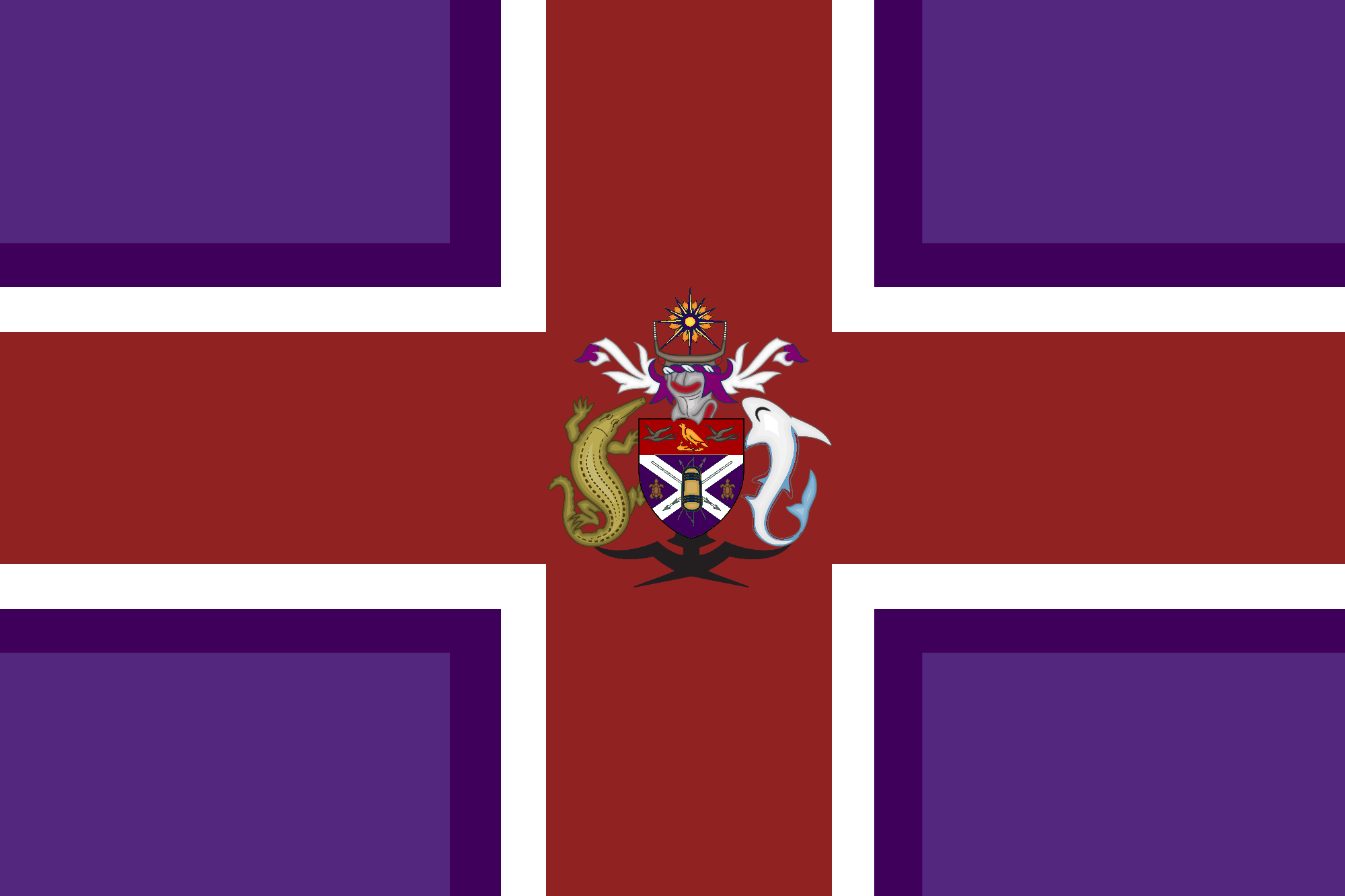
With the world somewhat more calm, Poavak began funding communists in Luvuria, leading to Luvuria deciding to test of this would work out by holding an election as it was sympathetic to Tritonian Communism (Which Poavak wasn't due to how libertarian and revisionist T.C was, leading to Poavak recommending against it). This election was won by the Tritonian Communists, leading to Poavak demanding that seats be given to Vanguardists instead. Luvuria called this wrong and corrupt, leading to Poavak deciding to use its position as southeast Asia's strongest state to threaten war if they did not comply. Luvuria tried to talk its way out of this by agreeing it likely couldn't win and didn't want war, offering to consider a hybrid system implementing tenets from both Tritonian and "Nakmaian" communism which would involve lower wages, increased food output, nationalization of companies, and a more centralized government structure. Poavak tried to push them to lean further towards vanguardism, which Luvuria refused as it would go against their people's wishes. Poavak managed to pressure them into adopting vanguardist policies towards agriculture, companies, and wages by implementing a state-directed economy, but Poavak kept pushing for more. Luvuria quickly realised that Poavak saw a war as too costly so it had instead resorted to slowly pressuring Luvuria into becoming a second Poavak without bloodshed, though it did remark that it did see success in its hybrid system. Luvuria accused Poavak of only pushing for such a hardline system because they were a undeveloped society that wasted its money on military assets. Poavak was angered by this and began to threaten military action, which Luvuria grew less and less willing to see as a credible threat as Poavak kept stating the same demands over and over without any willingness to compromise. Luvuria accused Poavak of being unwilling to even engage in the war as it had resorted to puny threats, leading to Poavak finally snapping and bombing the Minahasa Airport, leading to Luvuria beginning mobilization as war had officially begun.
Luvuria's army was largely positioned in defensive positions to counter oncoming attacks while the Minahasa Peninsula was quickly invaded and occupied by Poavakian forces. Poavak began a blockade of Luvuria, prompting Luvuria to begin dropping thousands of crates full of Poavakian currency all over the country, destabilizing its economy as its low-income citizens rushed to spend before their money became worthless. Angered by its economy being inflated, Poavak began launching assaults on smaller Luvurian islands. Luvuria launched a massive shelling campaign with explosives powerful enough to incite tsunami-like waves to destroy the blockading ships while bombing the recently captured small islands in order to soften up defences enough in order to allow them to be easily reclaimed. As more money crates landed in poavak the country quickly began to see rapidly increasing unrest while Luvuria rammed the blockade with a superyacht carrying explosives, taking out 3 Poavakian boats alongside itself as the blockade had its first hole. Luvurian forces which had previously been stated in Shenguese military bases returned thru the hole in the blockade, which was followed by them launching an invasion of a undefended part of Minahasa.
Poavak decided to try to attack the invasion from two sides, causing Luvuria some difficulties while Luvuria began investigating news from certain parts of Poavak seemingly being completely censored. Luvuria decided to infiltrate the Poavakian Intelligence Agency's primary counter-intelligence office in Davao to uncover why the censoring was occurring, which was followed by the building being destroyed. With the intelligence office destroyed, Luvuria managed to reveal that the failures of the war had incited uprisings in Kucing and Manila as the Poavakian Imperial Party Uprising and Poavakian Democratic Army had risen up. Poavak's army in Minahasa began to weaken as the rebellions spread, eventually leading them to decide to withdraw from Minahasa as Borneo and Luzon fell into chaos. Despite being offered a peaceful resolution, Poavak remained willing to fight the war to the end as it refused all attempts at reason even though Luvuria offered to simply end the war and not support the rebellions. With Poavak intending to continue the war, Luvuria began openly backing the democrats and landing on Poavakian islands as the PIP fell. Luvuria began executing more daring offensives as it invaded Mindanao and the PDA spread into regions such as Sumatra. Seeing the recent offensives as way more successful than they expected, Luvuria launched a more daring push in order to secure territories before an anticipated Poavakian counteroffensive by invading Sulawesi. Poavak suddenly launched an assault on the Luvurian 'capital island' of Halmahera, leading to massive clashes as both sides fired their full might onto one another.

As the fight for Halmahera raged on, the PDA began preparing for an assault on Jakarta, which saw surprising success as the PDA reported that they were withdrawing from Java, leading to Luvuria believing that another offensive may be coming based on the successes they were seeing in their reclamation efforts and attacks in the rest of the country. Poavak pushed out the enemy from Borneo and suddenly abandoned Sumatra and Java, leaving Borneo as their sole remaining territory. All of the territories captured by Luvuria and the PDA were found to be essentially ransacked as all easily accessible supplies and weapons had been taken to the 'fortress' on Borneo. The PDA (Which by now declared the 'Democratic Republic of Poavak') and Luvuria quickly acted to restore some-kind of civil order by expanding farming drastically as to avoid a famine due to the ransacking, while the RoP established a number of fishing stations. With Borneo seemingly too fortified to directly attack, Luvuria returned to its money-bombing tactic, which Poavak failed to crack down on as black markets formed. With their enemy destabilizing, Luvuria and the DRP launched an invasion of Sabah which saw initial success until Poavak began fighting back. Once Sabah was reclaimed, Luvuria landed in the southeast alongside launching small raiding parties, though this also failed once they pushed too deep into the jungle. Poavak began using strange 3-legged 5-meter tall robots to put out fires that had been made in the Borneo Rainforest as an attempt of sabotage, leading to Luvuria setting even more fires. Luvuria reprogrammed one of the robots (who removed fire by sucking away oxygen) and deployed it on the Sabah front to fight the Poavakians, which failed once it was gunned down by fellow robots. The fight seemed quite hopeless as every invasion of Borneo eventually ended in failure. Luvuria again diverted to southern Borneo as the north began to fall, prompting Luvuria to flex its technological surperiority above Poavak's numerical superiority by destroying their navy in the java sea in order to pave the way for an invasion of the west coast after losing some forces in a failed southeastern operation. All Luvurian and DRP forces were concentrated into the west of Borneo, from which they launched a desperate offensive eastwards Poavak began pushing them back, leading to Luvuria intensifying the money-bomb and shifting its forces to the southern part of the front in order to push from a more dense location. The moneybomb finally saw results as citizens grew angry over the economic crisis, leading to the Poavakian Imperial Party launching a second uprising on Borneo, leading to the Poavakian war-effort quickly collapsing as all of their final efforts to use WMDs were thwarted by the PIP, who proclaimed the Second Poavakian Empire once the final remnants of the People's Republic were crushed. With the People's Republic gone, Luvuria fully implemented Tritonian Communism while Poavak ended up split between the Empire and the Democratic Republic.
The war between the DRP and SPE entered a stalemate for 7 years, after which the DRP decided to surrender due to being outnumbered and outgunned.
