Apothilene Unification War
| Apothilene Reunification War | ||||
|---|---|---|---|---|
 | ||||
| Video | https://www.youtube.com/watch?v=-scofr7inIw | |||
| Date | 322 CE | |||
| Location | Middle East | |||
| Outcome | Isfahan Victory | |||
| Combatants | ||||
| Commanders | ||||




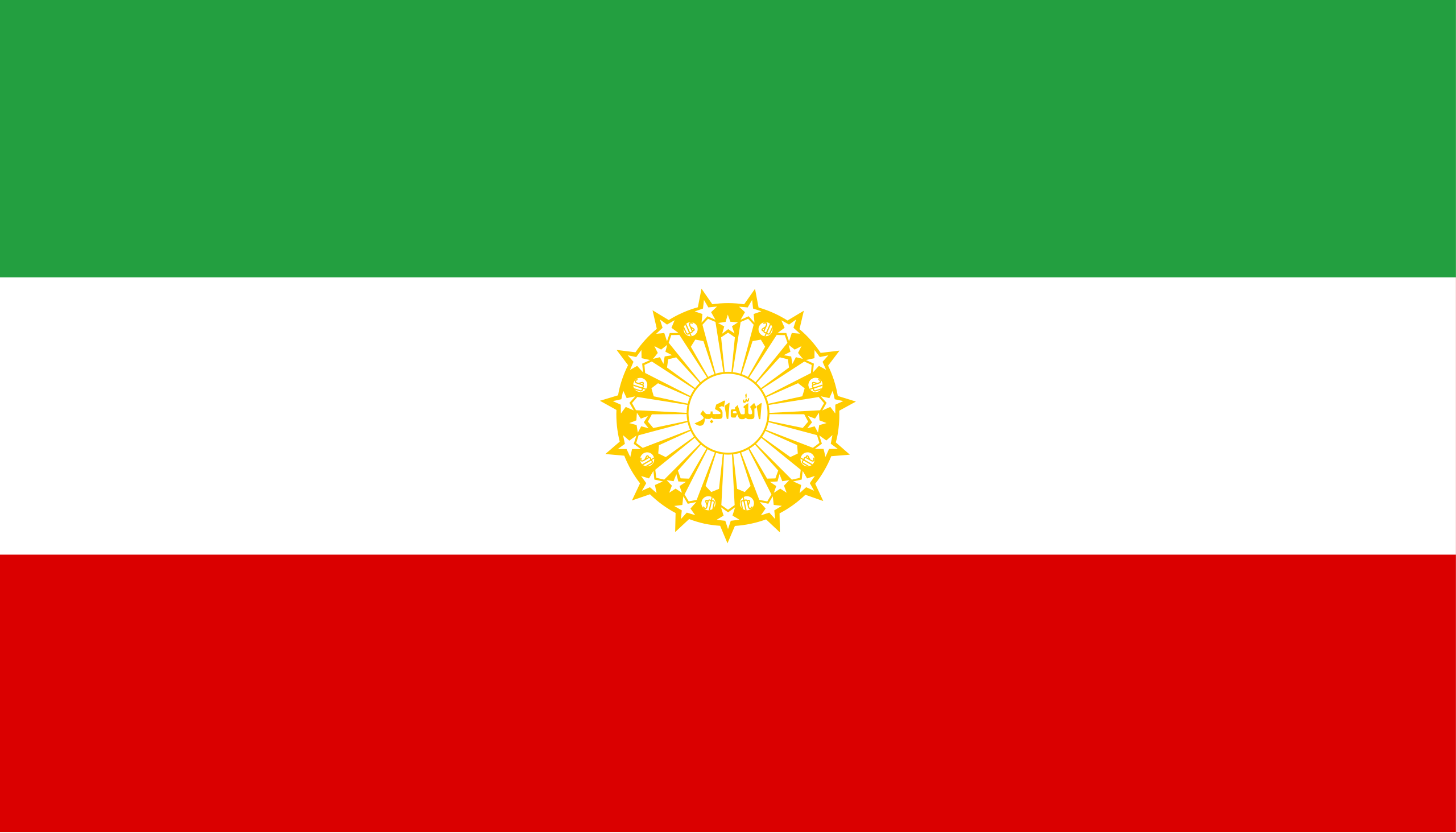
In 321 CE, Major border-clashes occurred between Isfahan and Elam, with the largest being an Isfahani raid in Khorasan which lead to 920 Elamite casualties which lead to an Elamite ultimatum threatening war if reparations were not given, which Isfahan refused but did its best to maintain peace via diplomacy, which failed as the skirmishes continued to escalate as Elam now had intentionally continued attacking Isfahani border positions, raising concerns that if Isfahan's final diplomatic attempts would fail a 'Apothilene Unification War' would break out between the two. In 322, the attempts at diplomacy officially collapsed as Elamite soldiers crossed into Isfahan, prompting Isfahan to declare war on Elam.
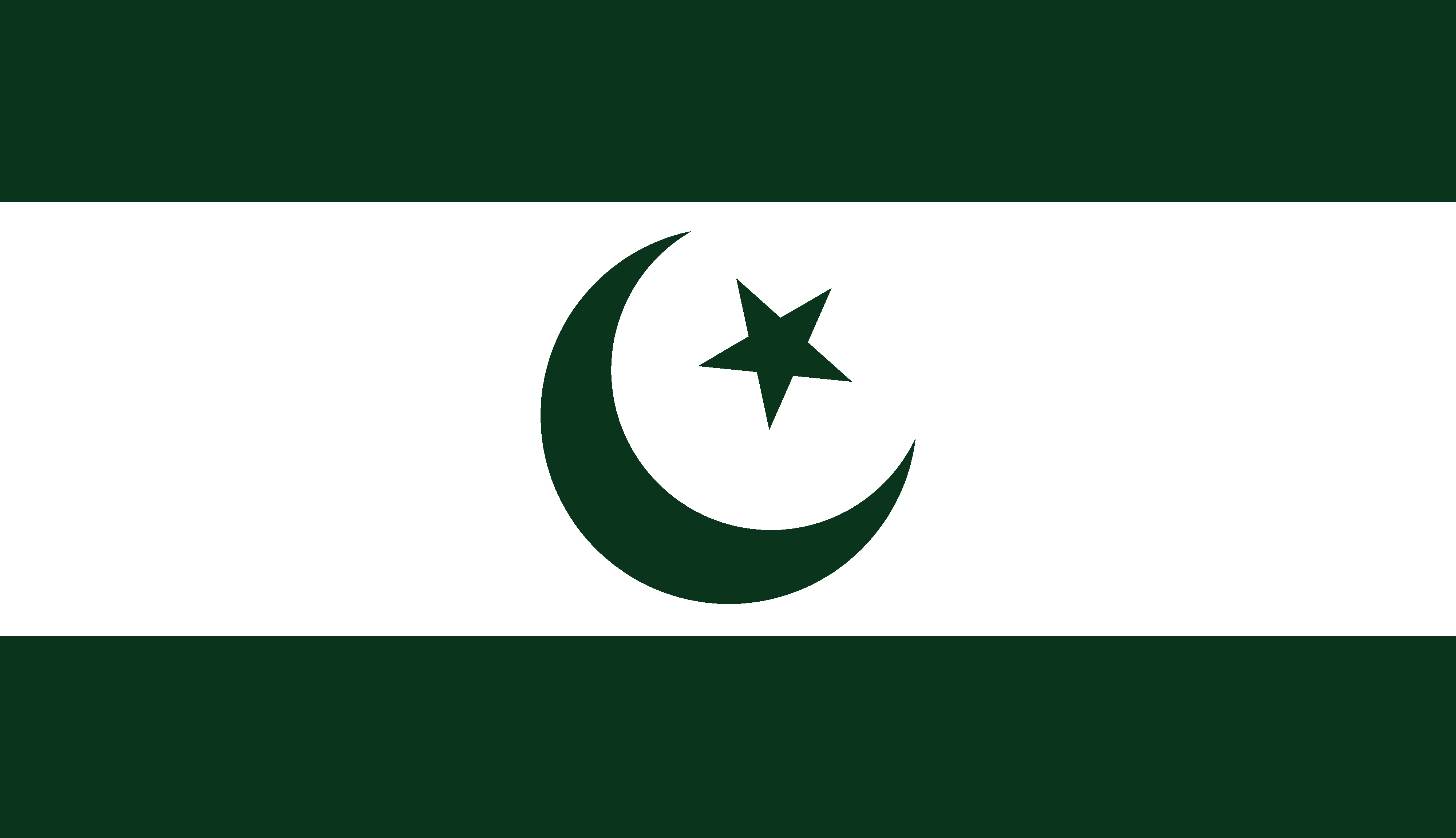
The early phases of the war generally favoured Elam, who advanced quite far into Isfahani territory. Most republicans opposed to Isfahan's foreign monarchy had been defecting to Elam for most of the war, though Elam's increasingly hardline communist policies grew to be increasingly disliked by the right-leaning faction of Republicans, prompting the 'Islamic Republican Party' to launch an attempted coup against both states following a series of strikes, proclaiming the 'Islamic Republic of Farsia', though Elamite forces rather quickly managed to largely disperse the IRP before it could secure control over its territories aside from various insurgent groups. Soon afterwards, Azerian support for the IRP was discovered and proven, prompting Isfahan to launch an invasion as it too was affected by the IRP uprising. Seeing its ally of Azeria being invaded by Isfahani forces, Sarpistan issued an ultimatum demanding an Isfahani withdrawal, which Isfahan refused at the cost of a Sarpistani declaration of war.
Many external states began providing support for each side at this point, with Elam received support from Khat, Poavak, the Puraana Hind Faction, Luvakhia, and Lizarb while the IRP recievied Synoran support which eventually led to a full-scale Synoran intervention as the 'Islamic Republican Front' was formed. Fearing the spread of republicanism or socialism, Hayah proposed an alliance to Isfahan in return for it recognising Islam as its state religion rather than remaining secular, which Isfahan accepted, while to the west Choros began providing limited military aid to Isfahan and Khat fully intervened on Elam's side. Hayah saw several massive successes against Sarpistan, destabilizing their already unpopular government enough for the ruling 'Council of National Preservation' in Sarpistan to begin falling apart as the 'Cevikist Restorative Front' launched a nation-wide revolution which overthrew the ruling Sarpistani government, instating the CRF as the new ruling party which promptly sued for peace alongside Khat, both signing armistices. With the war now clearly in Isfahan's favour, they announced the 'Decree of Sparing' which stated that all Communist supporters and government officials would be spared as long as they ceased fighting, leading to a mutiny which saw Elam's war effort collapse, while in the west Azeria signed peace terms.
Following the war's conclusion, all combatants ratified the 'Treaty of Tabriz' which oversaw the war's conclusion.
- Section 1: Sarpistan
- Khuzestan was ceded to Isfahan.
- Hayah retreated from the south coast of the Euphrates.
- Jordan was ceded to Hayah.
- Much of Syria was ceded to Hayah.
- Southern Iraqi borderlands were ceded to Hayah.
- Kuwait was ceded to Hayah.
- The Neo-Cevikist Government was recognised as the legitimate government of Sarpistan.
- Section 2: Apothelis
- Socialist Republic of Elam was fully annexed into Isfahan.
- Tabriz was ceded to Isfahan.
- Artsakh was ceded to Isfahan.
- The rest of Azeria became a protectorate of Isfahan.
- In a separate agreement, Turkestan agreed to return some territories to Isfahan that were previously part of Apothelis.
- Isfahan was recognised as the successor of Apothelis, and was to be referred to as the Imperial State of Apothelis.
Following the conflict, Isfahan asserted its position in the world by first seizing certain border territories from Pashtunistan in the 'Nehbandan Incident' and then issuing the two 'Isfahan Proclamations'; with the first stating that while Isfahan was ruled by the House of Yetevia-Anssen and did wish for the reclamation of Yetia it would additionally work on improving Apothilene interests as it built a new 'Yetian-Apothilene Cooperation', while the second proclamation stated that improving Apothelis would be the nation's initial focus.
