Greater Unification Treaty & Khakassian War
| Khakassian War | |||
|---|---|---|---|
 | |||
| Video | https://www.youtube.com/watch?v=muKlqhrTZSo | ||
| Date | 323 CE | ||
| Location | North Asia | ||
| Outcome | STF Victory | ||
| Combatants | |||
| Commanders | |||
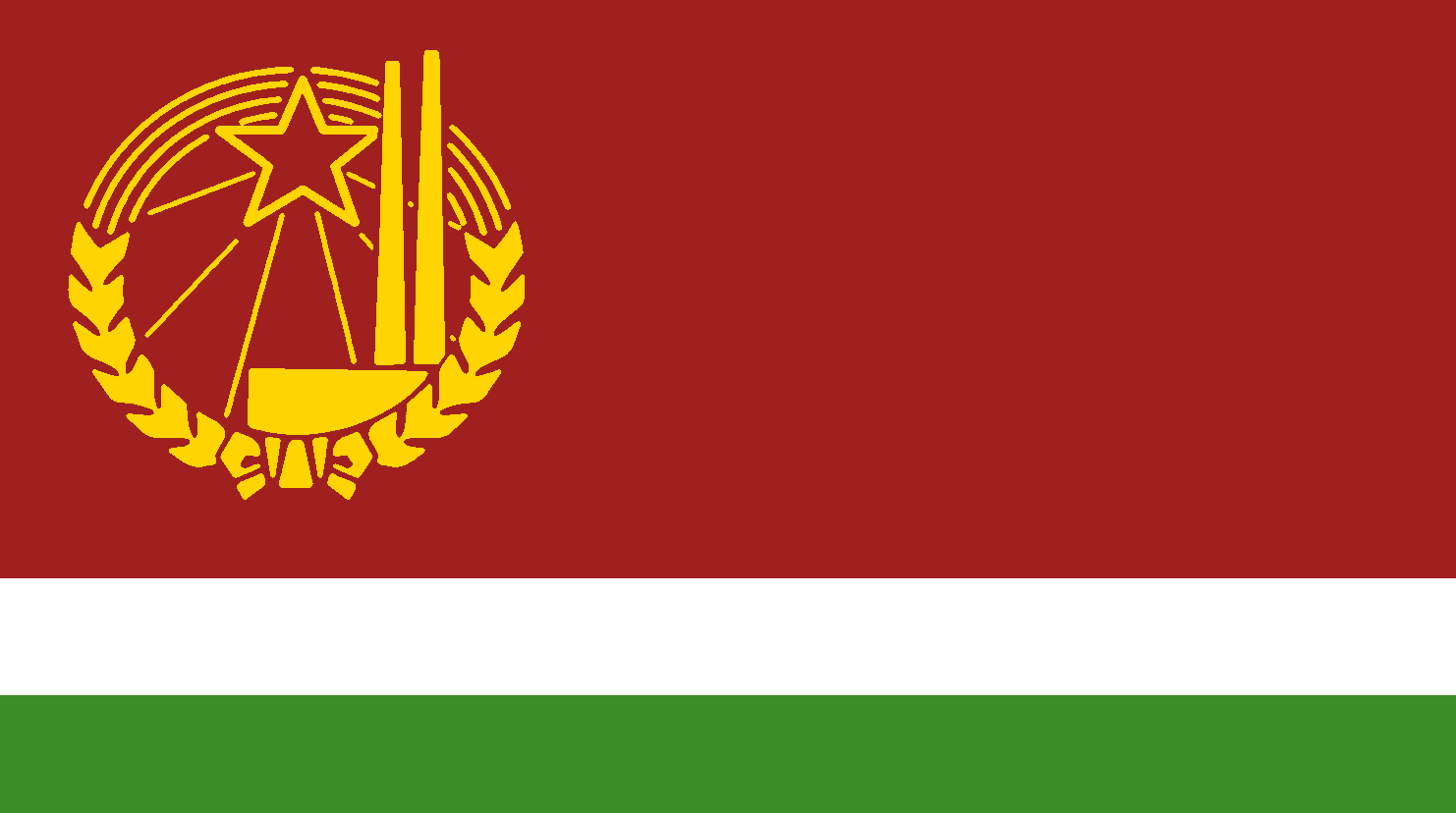
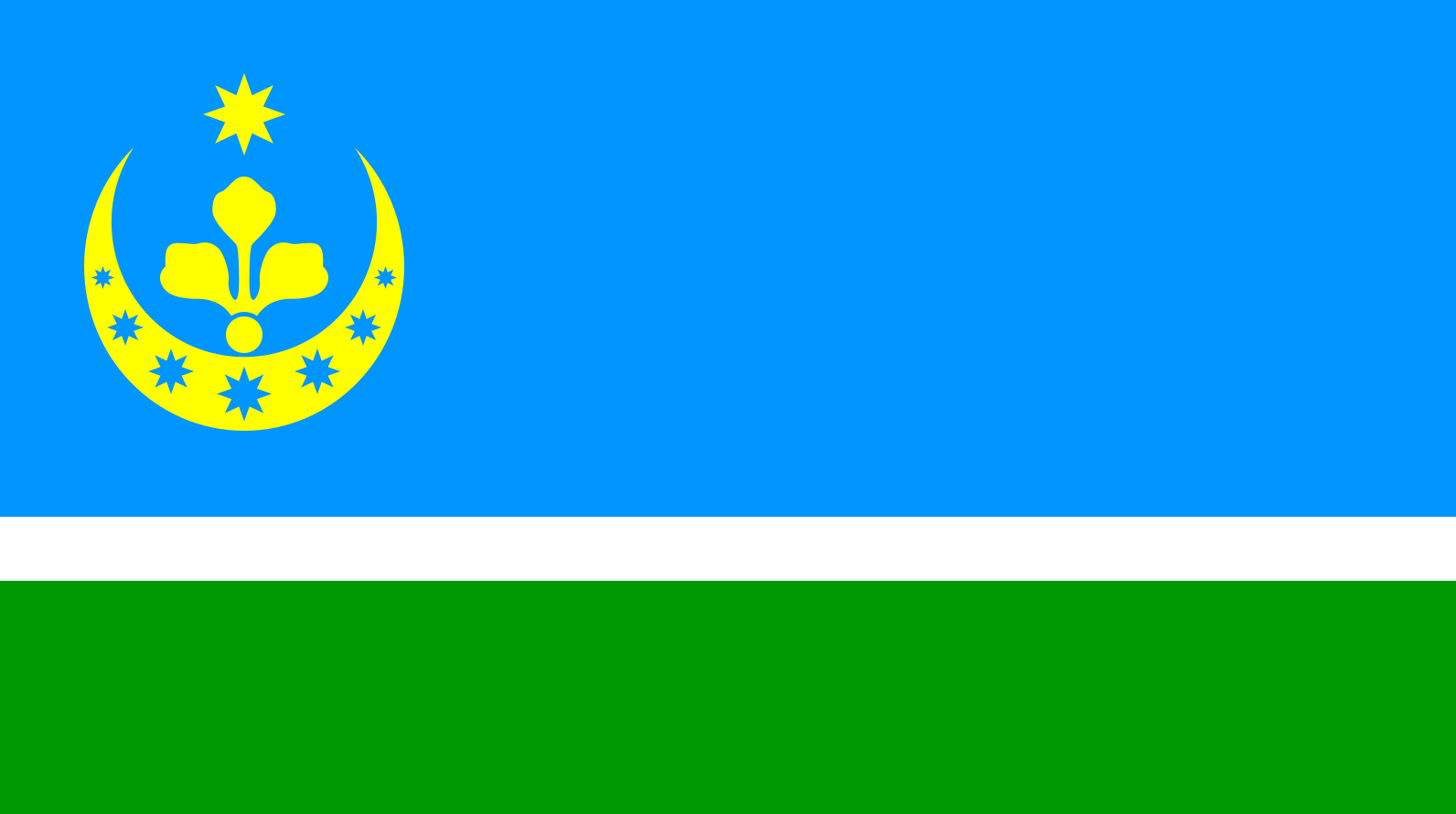
The leadership of the Linelandic Soviet Federative Republic drafted the 'Greater Unification Treaty' designed to bring the various soviet republics that were established during the Linelandic War of Independence and Sixth Linelandic Civil War into one federation. The terms of the treaty stated that each signatory would be incorporated into the 'Federation of Siberian Soviet Republics', ratifying states would lose sovereignty in return for maintaining an autonomous status in an union among equals, each republic would have a voice in leadership matters, internal matters are to be resolved by a collective legislature known as the Siberian Soviet, which would handle resbonsibilities such as foreign affairs and defence. Many Soviet Republics promptly ratified the treaty such as the Linelandic SFR (which became the "Linelandic-Tritoniyan Soviet Federative Republic"), the Soviet Republic of Buryatia, the Shipeniye Soviet Republic, the Altai Soviet Republic, the Chukchi Soviet Republic, and the Evenkian Independent Autonomous Soviet Republic.
Surprisingly, the Military Soviet of Khakassia ruled that it found the treaty to be unconstitutional and would not ratify it despite pressure from the other Soviet Republics, declaring independence as they renounced all treaties made with Lineland after their establishment before rejoining the Siberian-Turkic Federation, prompting Siberia to invade to reclaim the territory after what it saw as an 'illegal annexation'. While Siberia saw initial successes, the veterans of the Khakassian Red Army managed to repel their attack and advance deep into the Altai SR before being pushed back, after which both sides agreed to an armistice. In the ensuing 'Treaty of Kyzyl', the FSSR agreed to respect the boundaries of the STF, The STF was allowed to maintain control over its occupation zone in the Altai SR, and the STF was banned from spreading pro-STF messaging in the Altai SR which would in the future be seen as an act of war.
