Sixth Linelandic Civil War
| Sixth Linelandic Civil War | |
|---|---|
 | |
| Video | https://www.youtube.com/watch?v=5X-3oTsIhWI |
| Date | 323 CE |
| Location | Lineland |
| Outcome | Soviet Victory |
| Major Battles |
|
| Combatants | |
| Faction #1 | Linelandic Soviet Republic |
| Faction #2 | Tsardom of Lineland |
| Faction #3 | Siberian Federation |
| Faction #4 | Outer Manchurian Intervention |
| Faction #5 | Local Forces |
| Faction #6 | Separatist Movements |
| Faction #7 | Chita Free Territory |
| Faction #8 | Ultranationalist Armies |
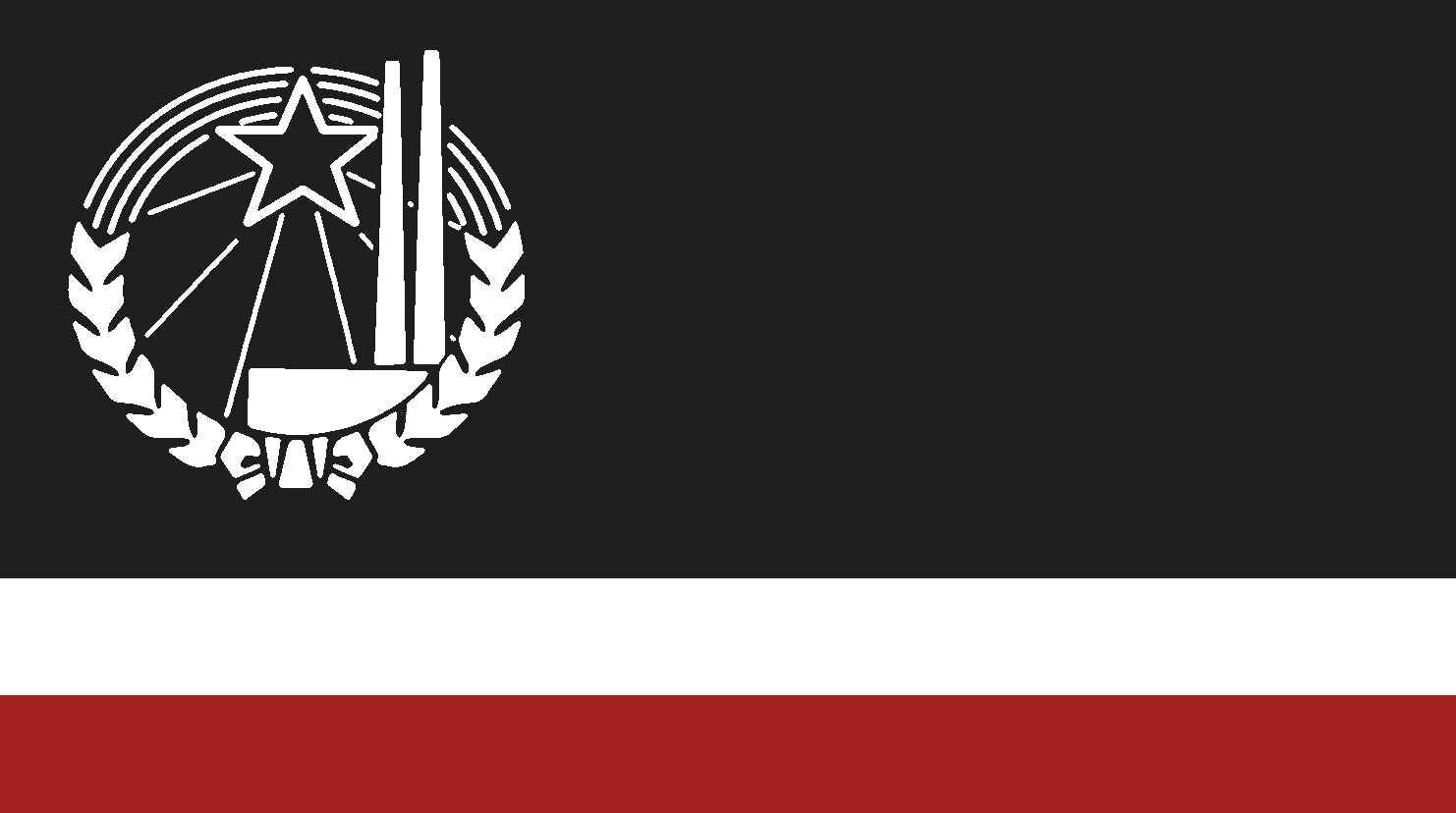
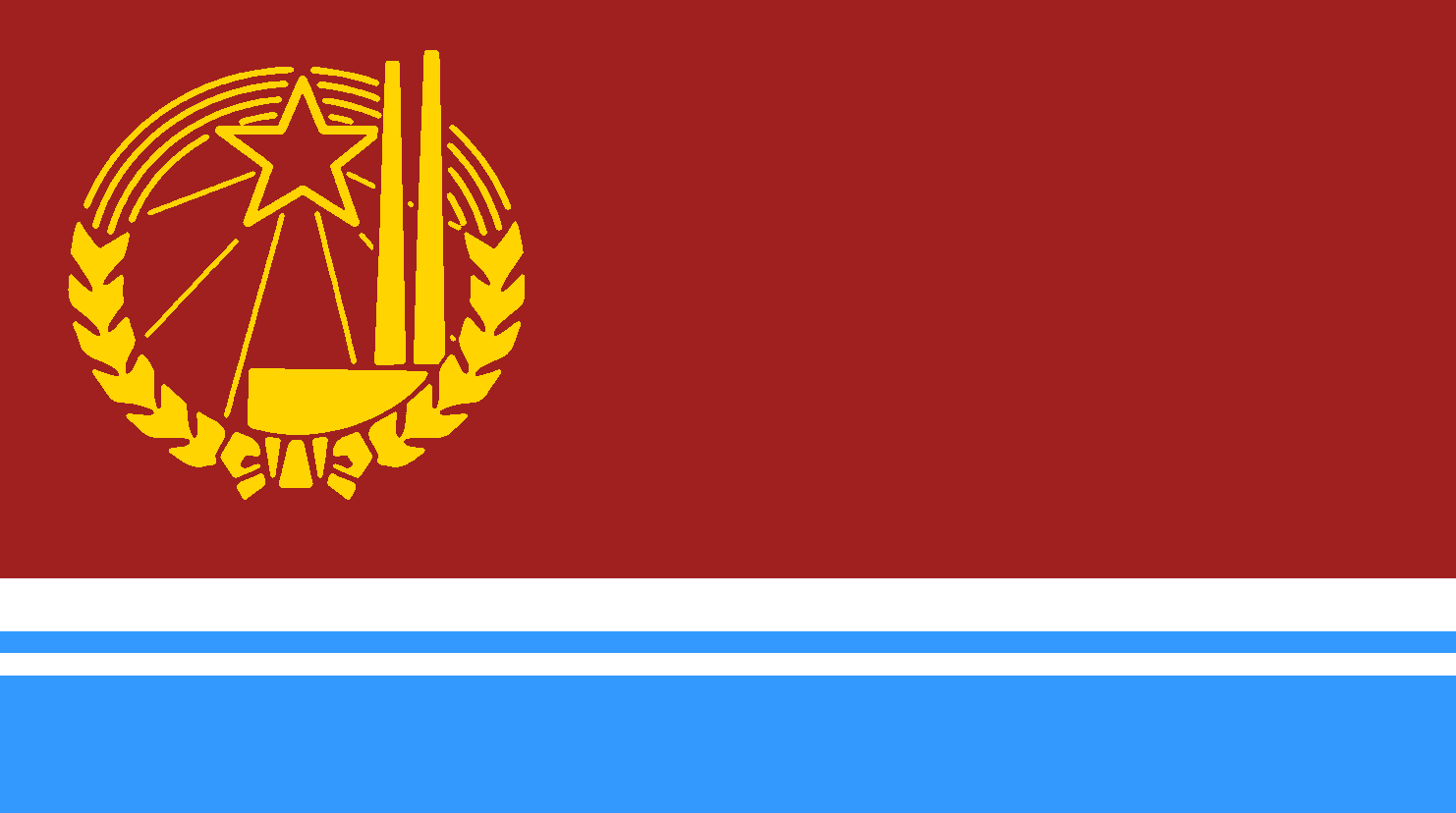
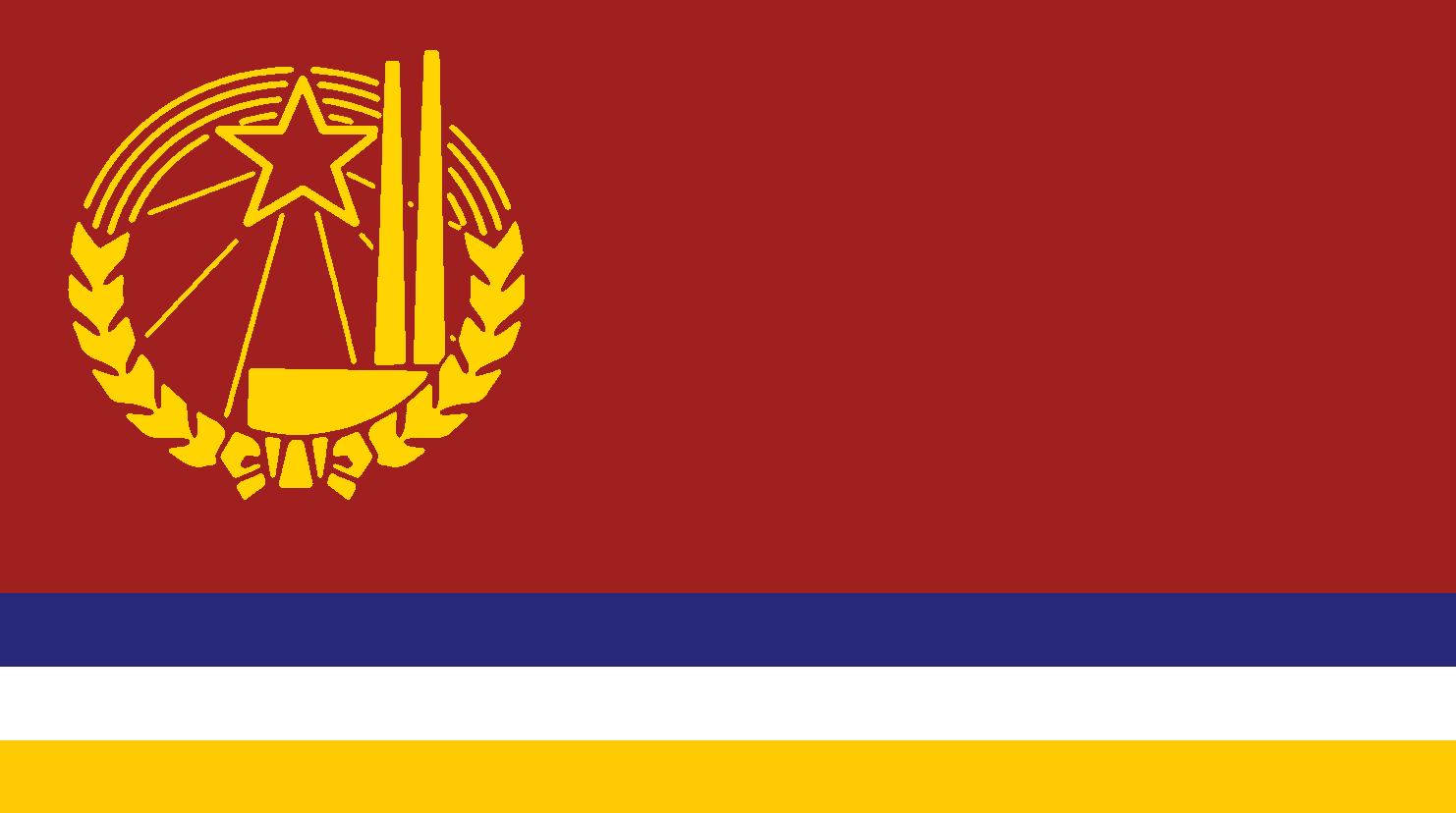
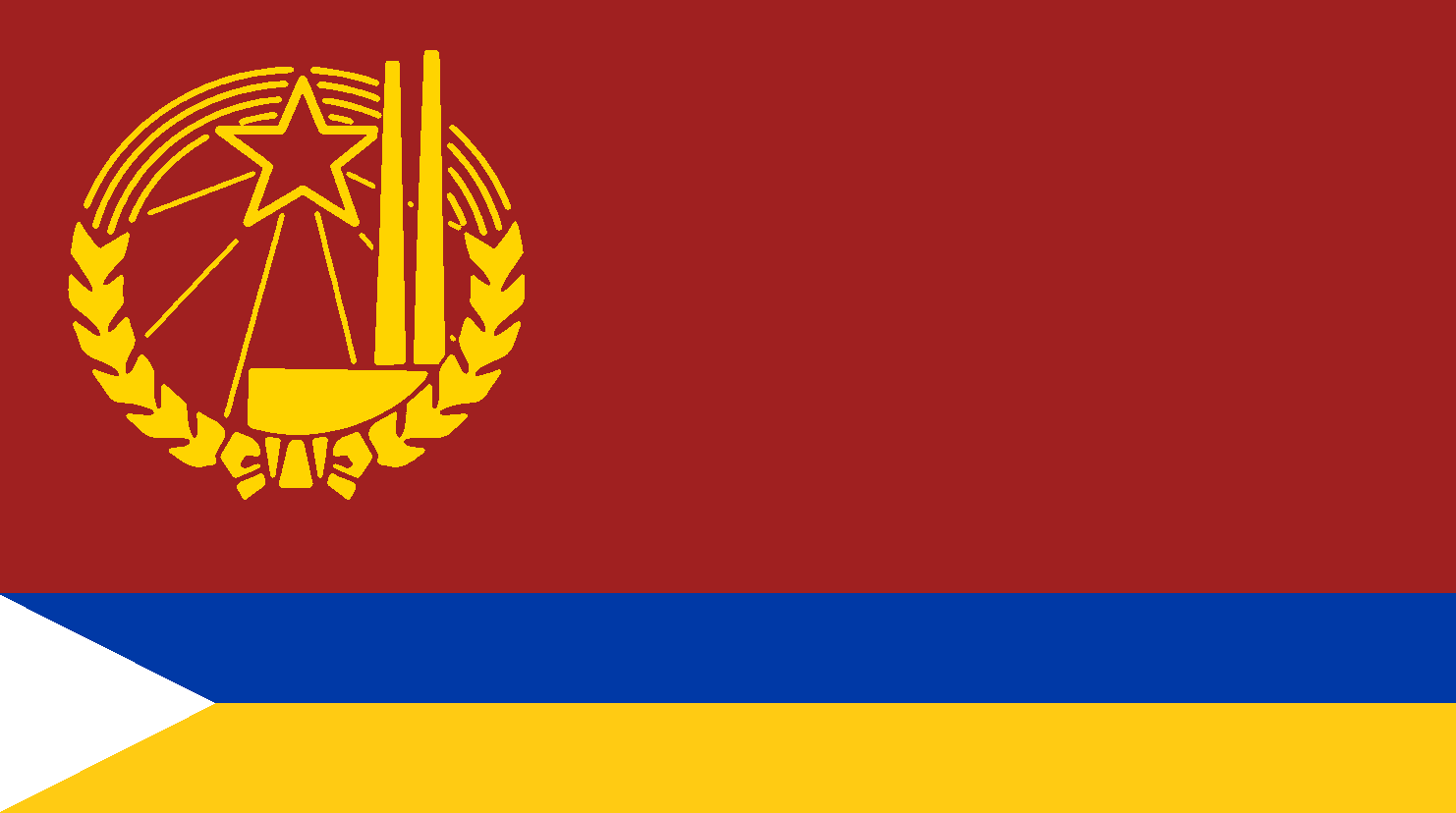
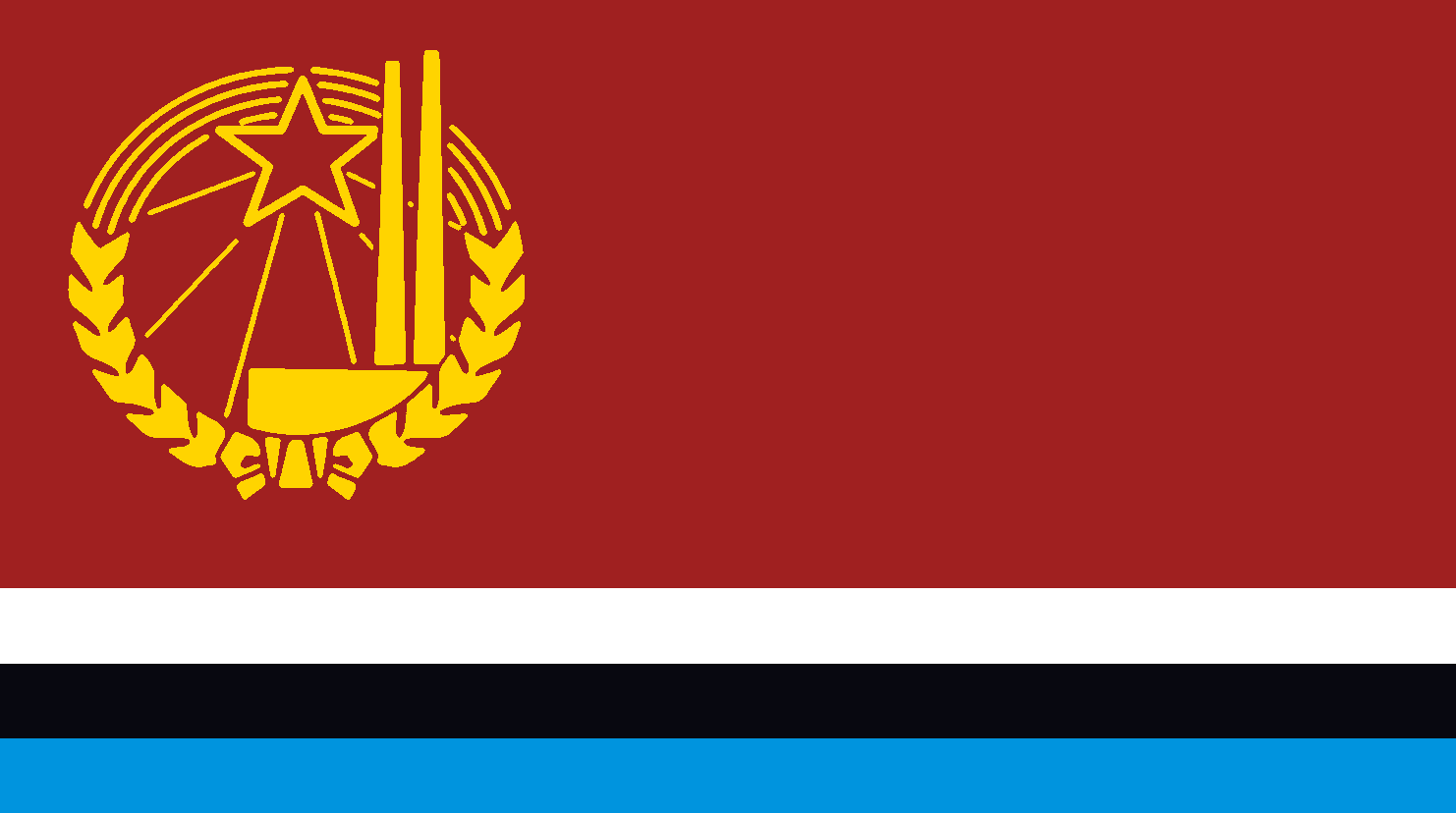
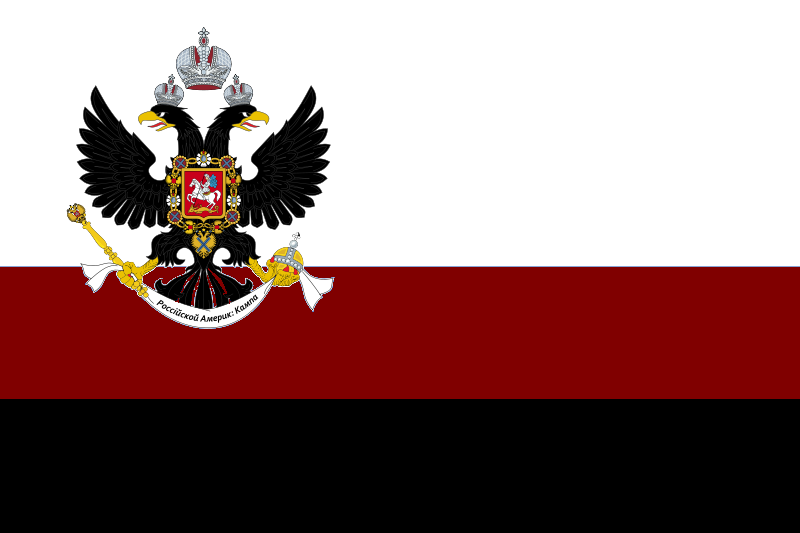
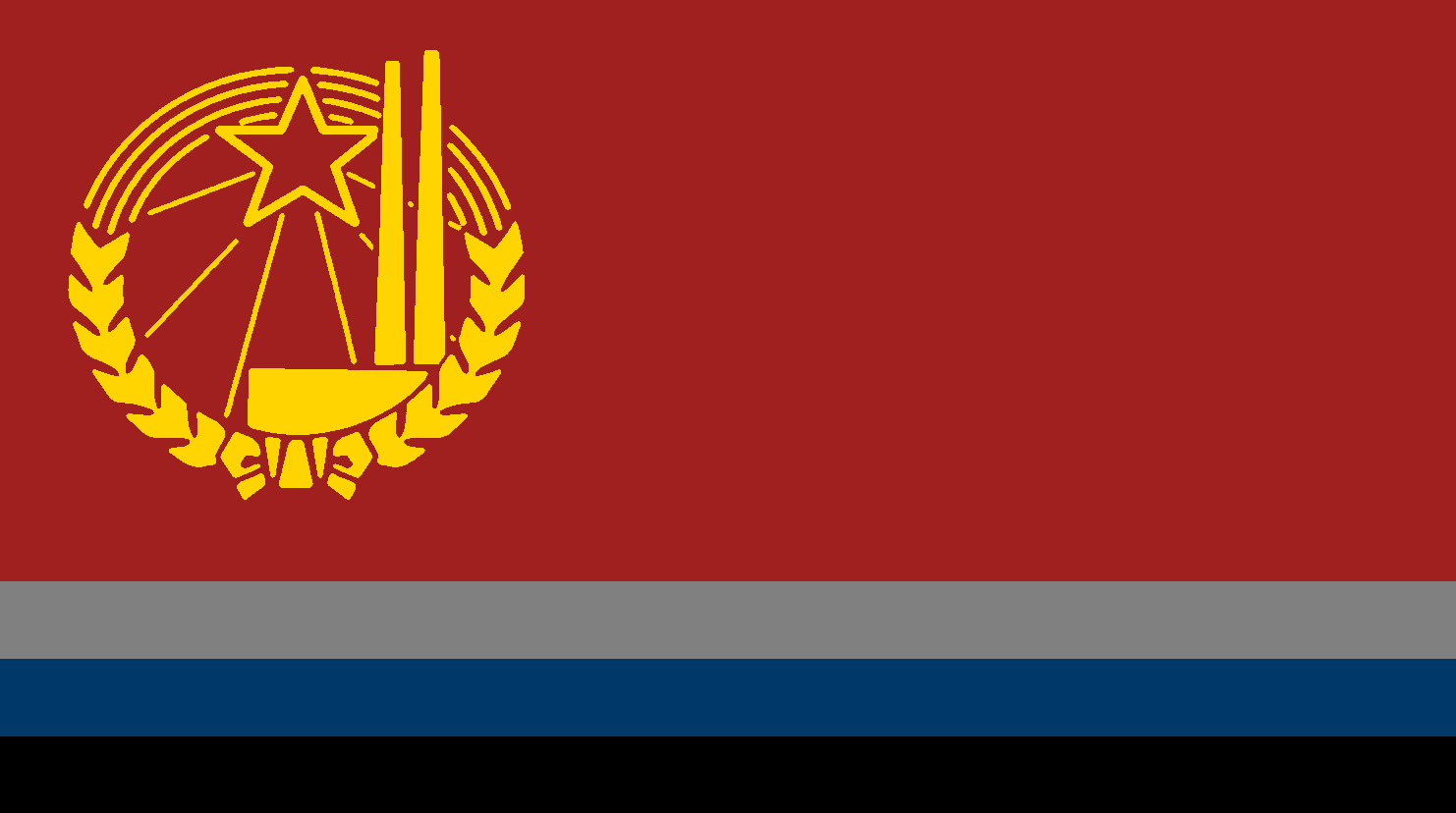
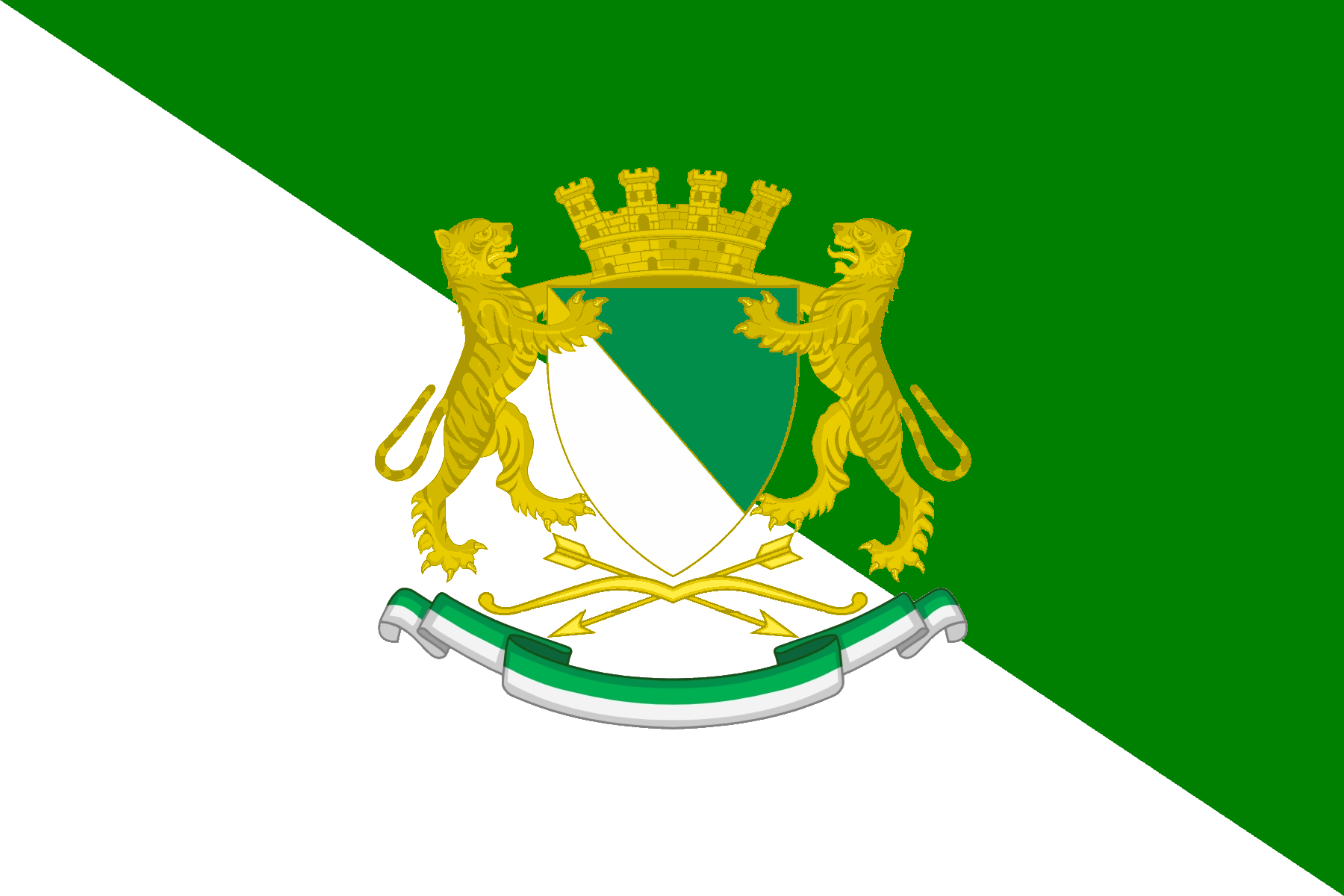
After the Linelandic War of Independence, the unstable 'Interim State of Lineland-Siberia' was established to govern the newly independent state ruled by a provisional government consisting of the 'New Federal Party', the 'People's Militia of Socialist Lineland', and the 'Armiya Tsarya' whom were tasked with establishing a permanent government, though as the initial debates heavily favoured the NFP and AT, the PMSL decided to take action into its own hands by seizing control of Linasgrad in a coup, proclaiming the 'Second Linelandic Soviet Republic', prompting the other parties to rise up in rebellion to secure power for themselves. The LSR did its best to resecure its position, forcing the Yakut FSAR to largely disarm aside from a group of hardline loyalists which formed the 'Sakha Federal Army Remnants'.
Foreign states also began to involve themselves in the conflict, with Yorica supplying the LSR and Sizzle occupying the Amur region. The Armiya Tsarya was the first to fall, with both LSR and NFP forces managing to capture they region they had been operating out of. Various other uprisings began to appear throughout Lineland, with the LSR-aligned 'Turukhansk Soviet' rising up along the Yenisei, separatist movements such as the 'Sakha National Army' and 'Evenk Free Forces', local forces such as the 'Free Peasant Armies', anarchists such as the 'Revolutionary Insurgent Army of Siberia', and anti-tritonian ultranationalists such as the 'National Redemption Brigades' (whom consisted of both Federalist and Soviet defectors). Despite their many struggles in the initial phase of the war, the LSR managed to reorganize its military enough to launch the devastating 'Irkutsk-Krasnoyarsk Counteroffensive', smashing westwards in a devastating offensive which crippled the Federalists (allowing for the Altai, Chukchi and Evenk Soviet Republics to form), with all remaining resistance soon being crushed by the LSR.
Several treaties were signed, with the 'Treaty of Blagoveshchensk' recognising the LSR as the legitimate Linelandic government and recognising Sizzle expanding its occupation zone, while the 'Linasgrad Agreement' instated multi-party democracy, recognised the sovereignty of the other Soviet Republics as long as they acted in Lineland's interests, and granted the status of 'Autonomous Soviet Republic' to former Siberian Federation autonomies which hadn't achieved sovereignty. As a consequence of their recent defeats, many within the Eurasian Security Council faced a wave of instability as the loss of Selkupia to Lineland caused a military coup in the Samoyed-Ugric Union which brought in a 'military strongman' vowing to reclaim the lost land of the new 'Samoyed-Ugric National Republic', while in the Siberian-Turkic-Federation which had lost half of its territory a new provisional government was established to weather through the instability the defeats had caused. In Lineland, the LSR conceded to remaining non-insurrectionary Federalists by reorganizing itself into a federal system, proclaiming the 'Linelandic Soviet Federative Republic'. The CSIS criticised the fact that the war had occurred while the War of Irton was still ongoing, which Lineland saw as stupid as conflicts had already been going on prior to said war and they believed that if the CSIS was in Lineland's situation it would have done the same.
