36th Yetian Civil War
| 36th Yetian Civil War | |
|---|---|
 | |
| Video | |
| Date | 206 CE |
| Location | Europe |
| Outcome | Tunis Pact Victory |
| Combatants | |
| Faction #1 | Tunis Pact |
| Faction #2 | Legion-Futurist Coalition |
| Faction #3 | Adriatic Alliance
|
| Faction #4 | Najovan Patriotic Front |
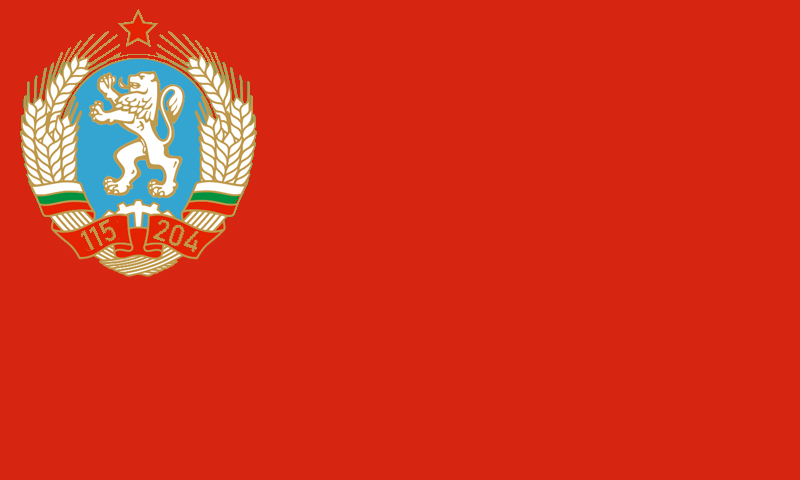
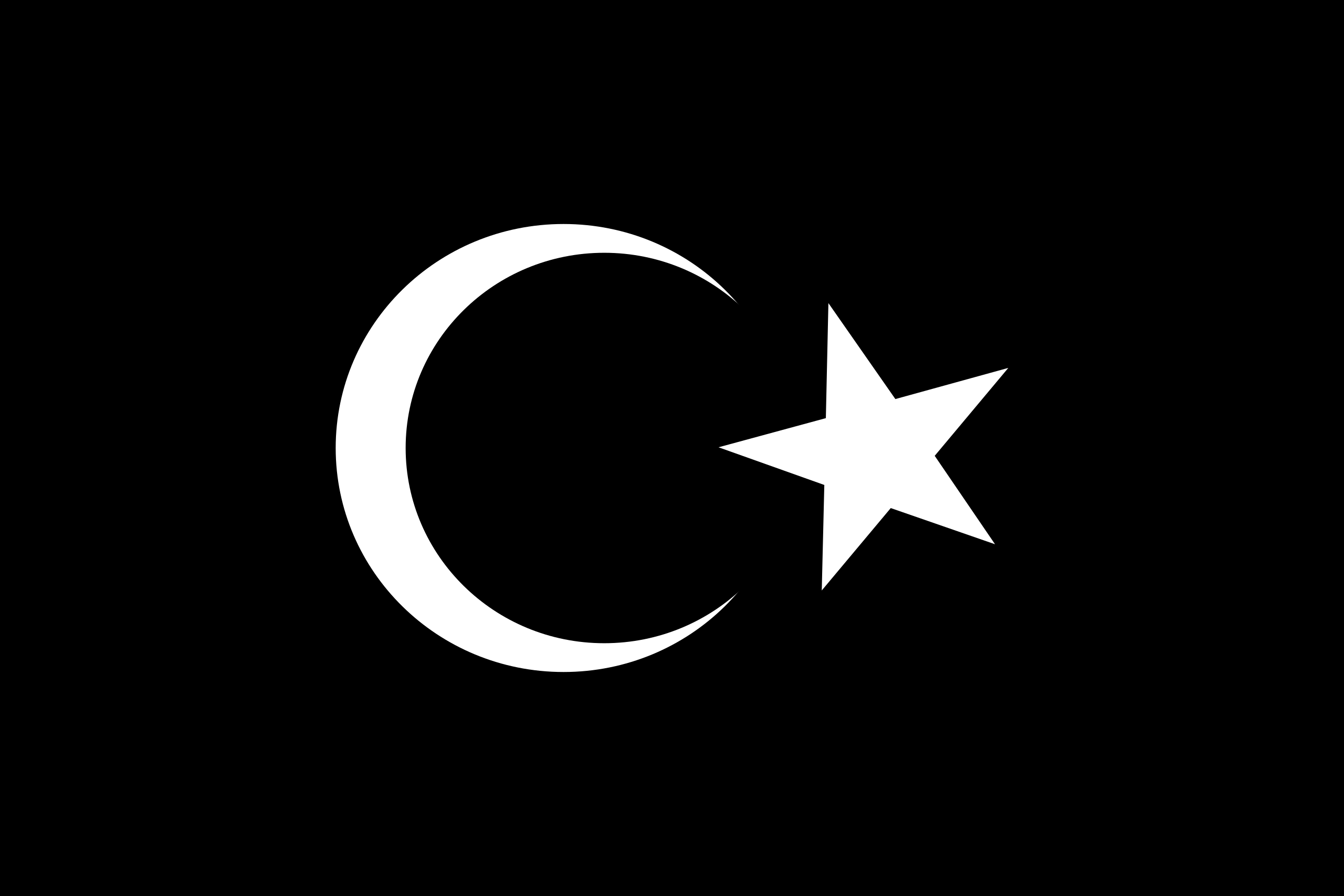
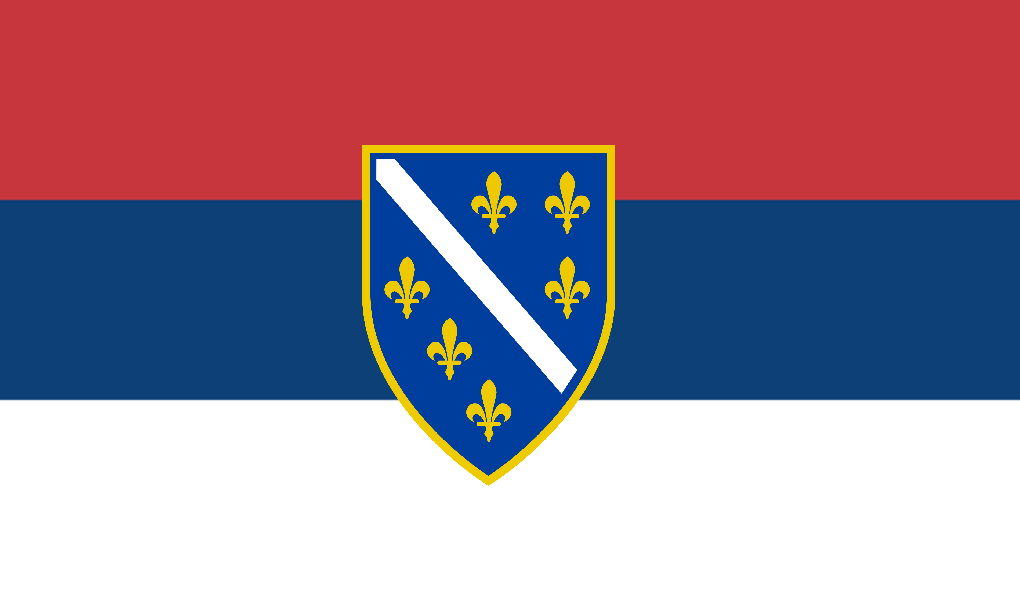
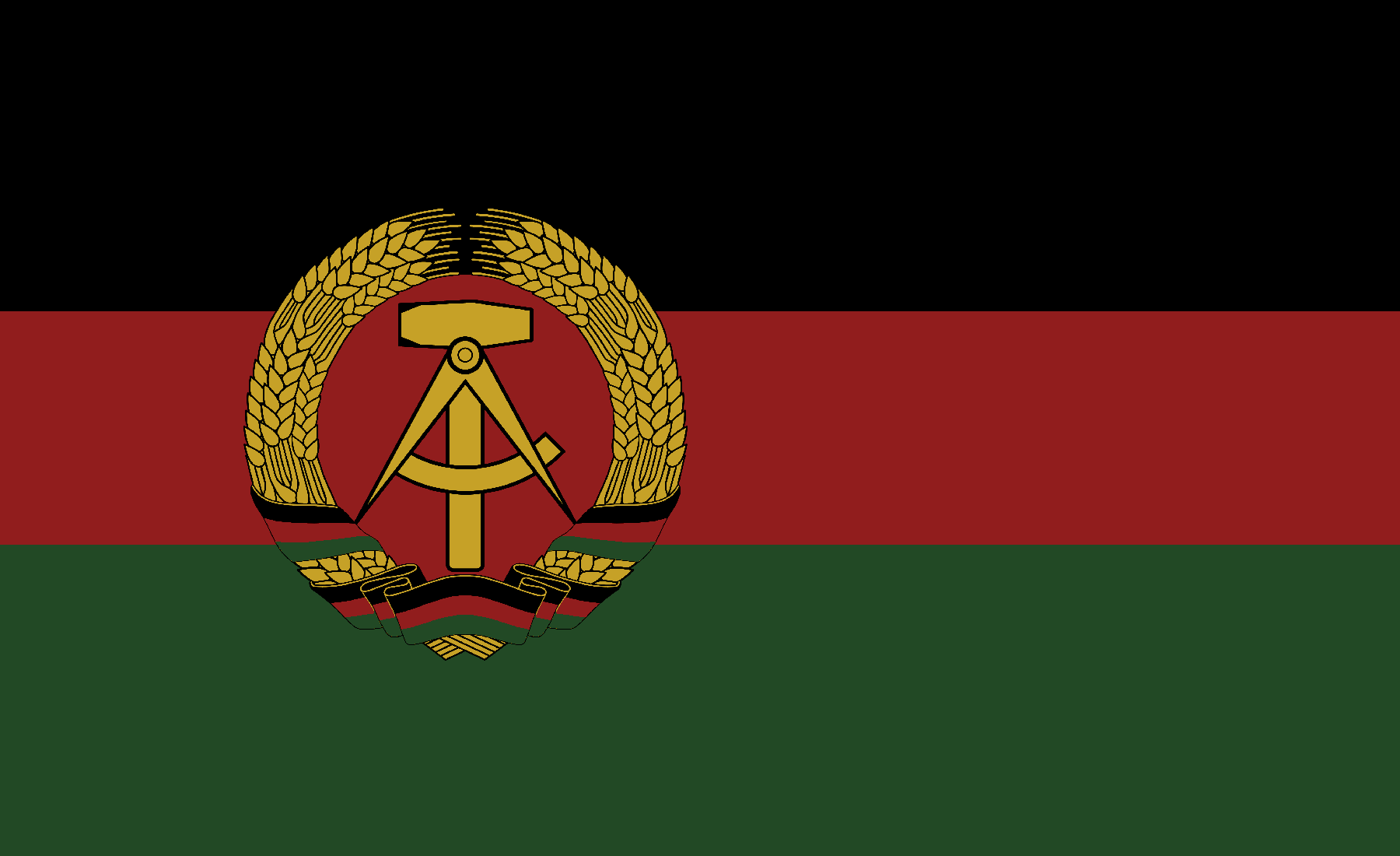
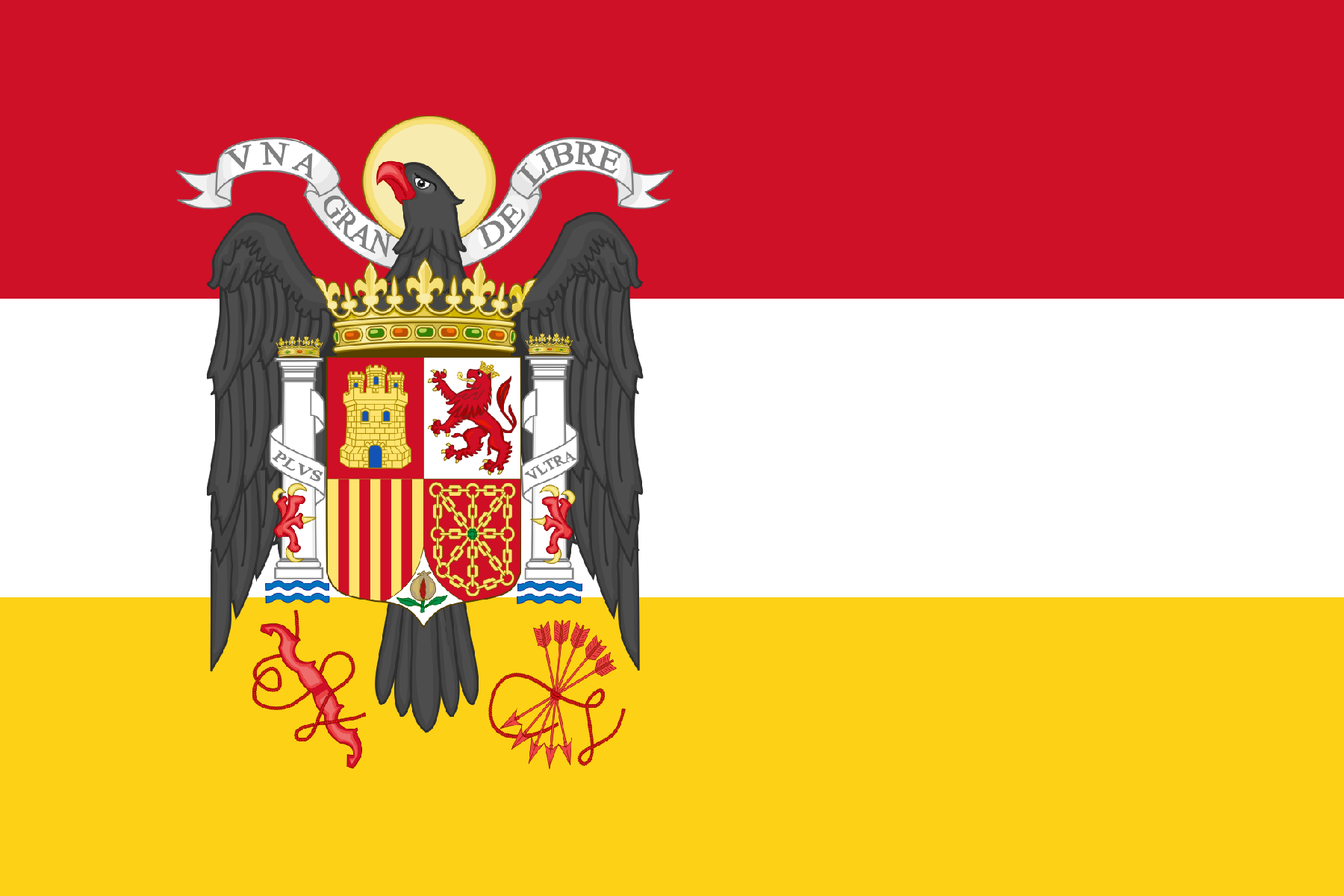
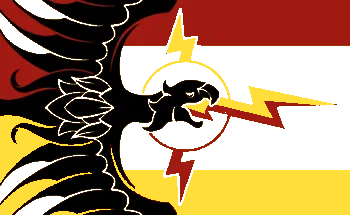
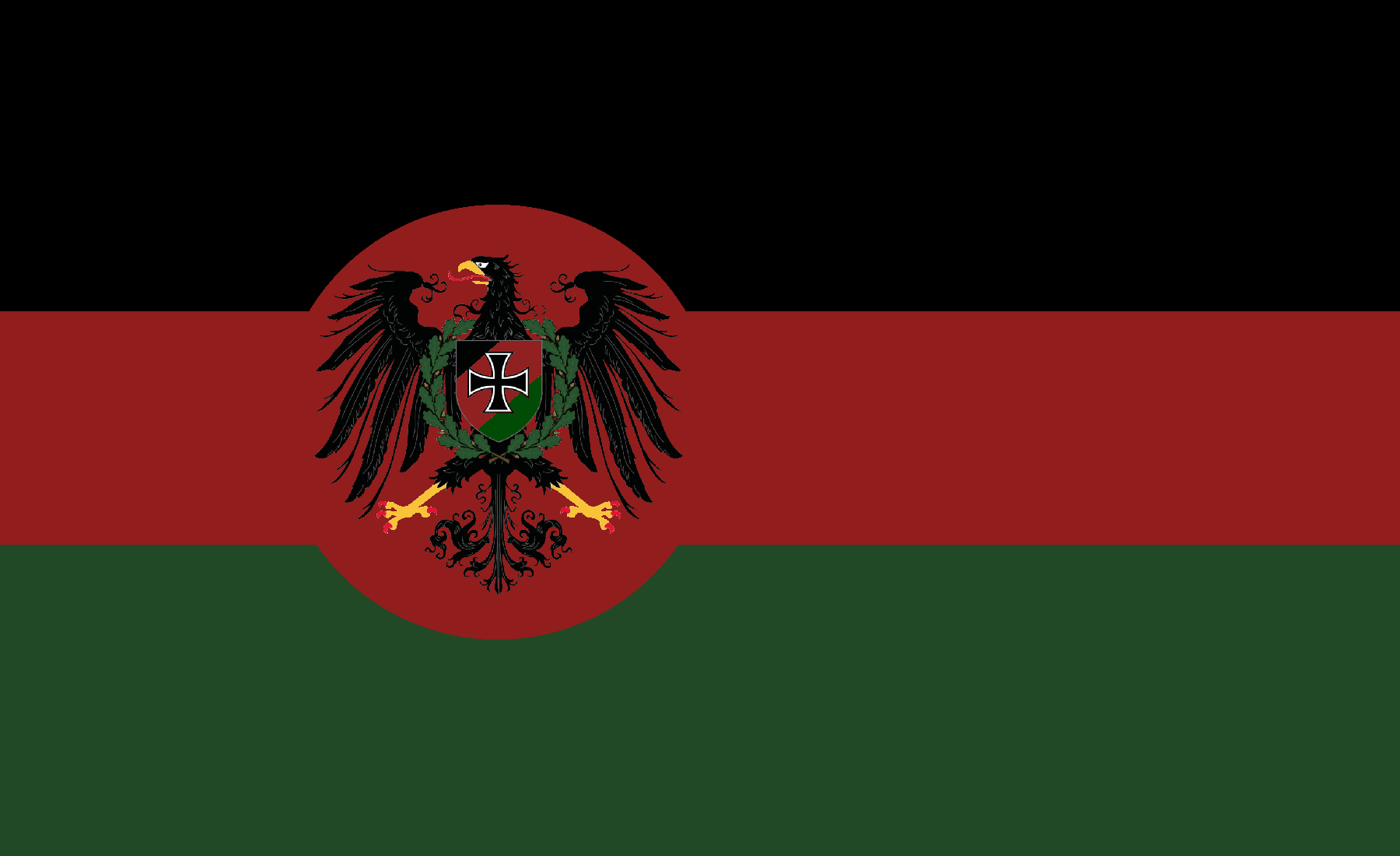
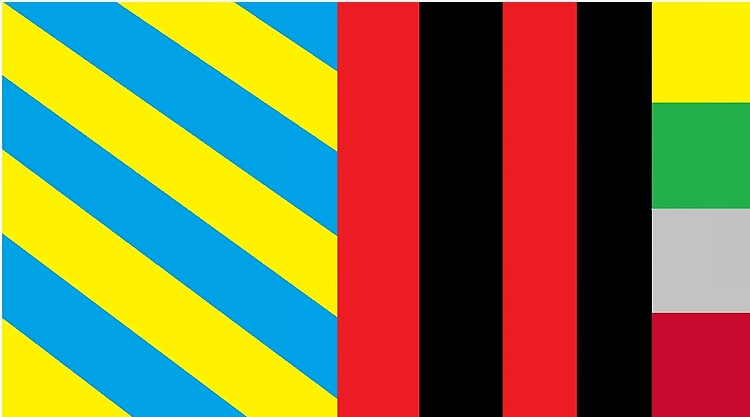
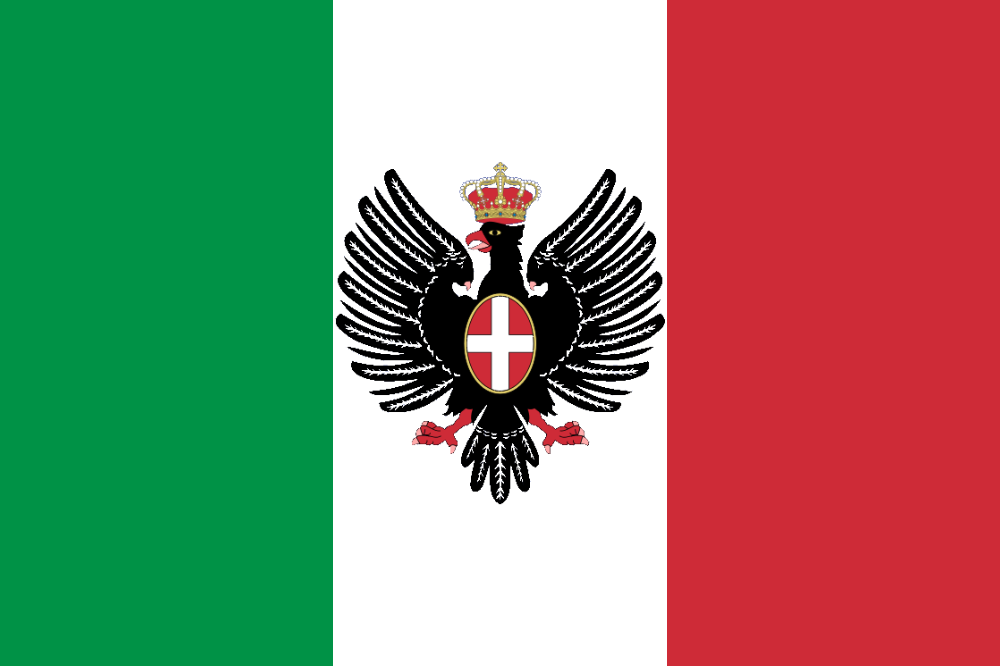
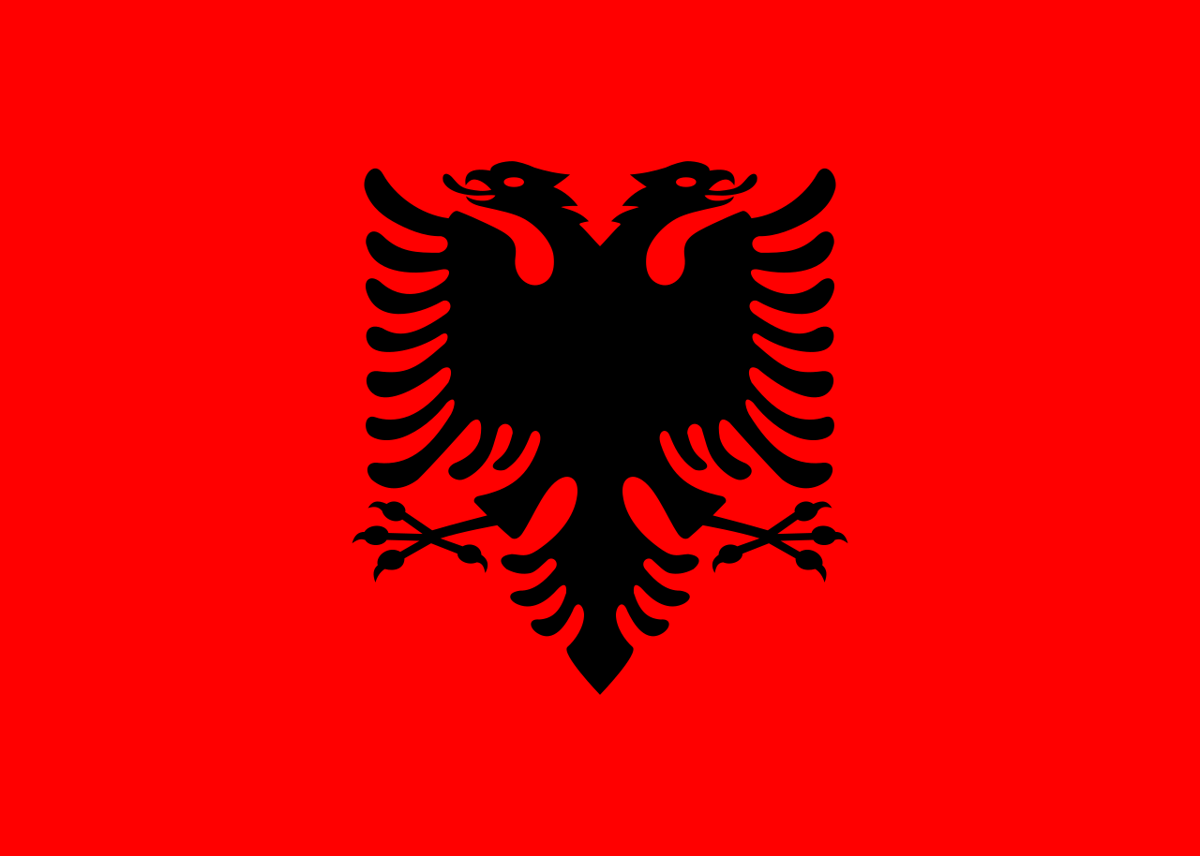
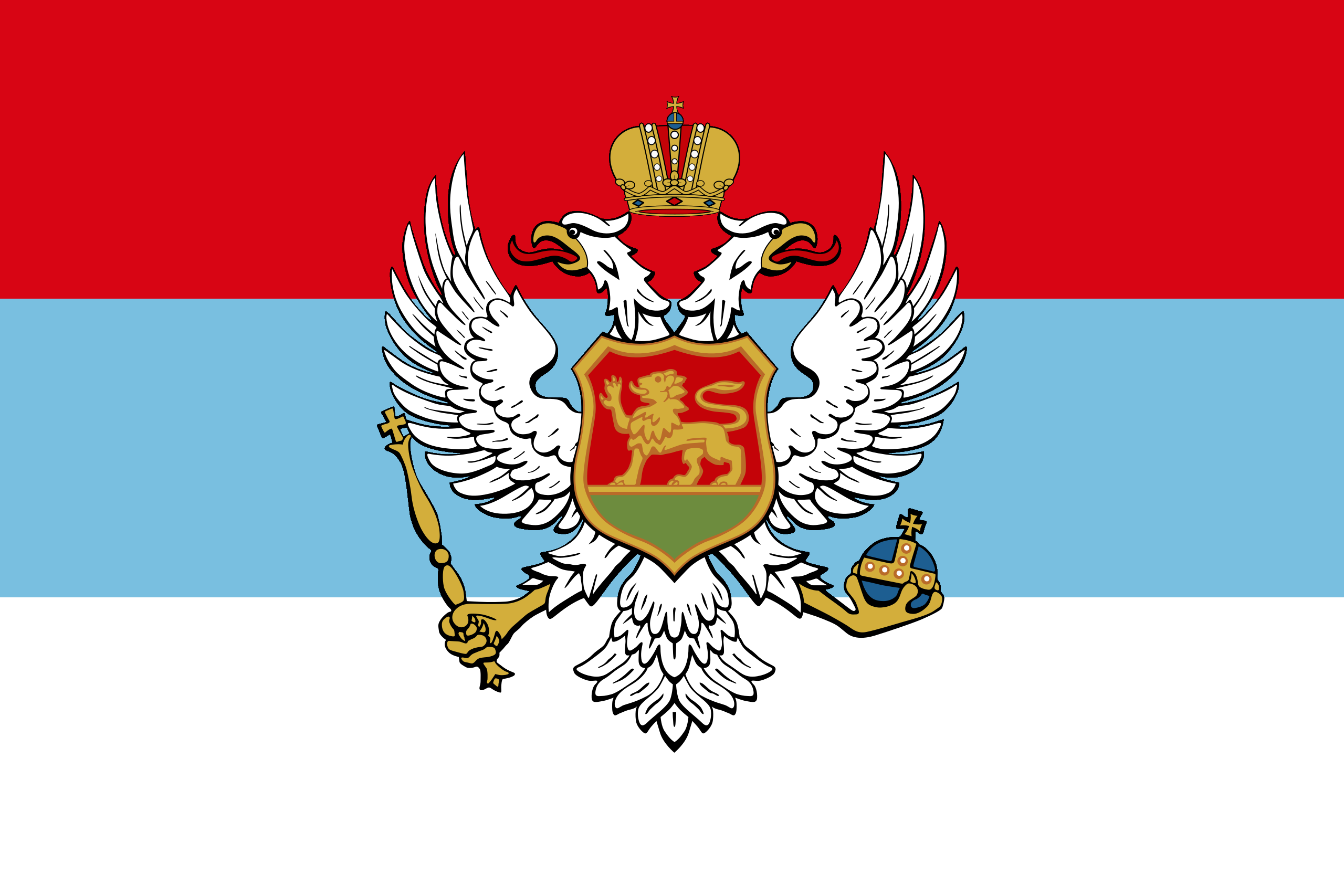


The increasingly unstable Yetia decided to hold an election to decide its future, where Communist Party of Yetia managed to defeat the Socialist Party of Yetia and Legionary Party of Yetia. Angered by this, the Legionaries seceded and proclaimed the Legionary State of Niedereich, which Yetia quickly moved to crush before they could become a threat again. This secession was not universally popular however, as communists within the Legionary territories soon revolted under the Niederland Commune, prompting the Adriatic Alliance to begin considering intervention. Yetia saw surprising initial success until the Legionary State of Hispania rose up in revolt against the Yetians, which caught the interest of the Adriatic Alliance due to its previous alliance with the Hispanians, prompting them to join the war as Hispania proclaimed the Republic of Hispania in order to balance its alliance between the Adriatics and Legionaries, though this intervention would lead to Jeriya siding with Yetia due to the ongoing Italian-Jeriyan War. Najova and Ezon sided with Yetia due to the events of the Ezonian-Najovan War as well, prompting the Romans to start using gas attacks in Jeriya. Yetia began actively breaking the Treaty of Niedeerbach signed after the Yatan-Yetian War due to the conflict at this point. Ortilia decided to pressure the Adriatics to withdraw from Jeriya, prompting Rome to get mad and threaten to gas the Ortilians as well as they regarded (south) Italy's hesitance as weakness, eventually simply stating that this would happen regardless of Italy's opinions. Choros and Vedaburg staged an intervention and told Italy to think for itself and not let people die, eventually convincing Italy to stand up for itself and demand Rome to stop, which failed as Rome demanded Italy step down and give them power, which lead to Italy fracturing as the Third Roman State broke away and sided with the Legionaries, who now also began fighting the Adriatics which began as they seized control over Italian Libya. In Najova, the local government was overthrown by the 'Najovan Patriotic Front' as the ultranationalist Najovan State came into power and struck out against all other sides. Waclaw was pushed back by Yetia to a increasingly dangerous degree while Ortilia sided with Yetia to kick out the Legionaries from Africa, while Hispania erupted into civil war as L'Avenirists rose up and sided with the Legionnaires. Italy began an offensive into Rome while Palladia also sided with the Legionaries, soon being joined by Belarus and Odessa due to their L'Avenirist ideologies. The situation for the Adriatics was increasingly dire, but they kept fighting on as Poland joined their ranks.
The Italian Empire was dissolved at this point, though Albania and Crna Gora still pledged their loyalty to the new Third Italian Republic. The two Yetian-based factions also began to formalize at this stage as the Tunis Pact and Legion-Futurist Coalition were formed. As Yetia captured Yaverncost, the Najovans offered a truce with the Adriatics in return for parts of Ezon and Crna Gora, which fell through as their extremely brutal way of warfare lead to the treaty being rejected, coinciding with the People's Partisan Movement launching another uprising in Najova. Soon, Yetia managed to defeat Niedereich as its first major success, while Jeriya officially democratized under Yetian guidance. Najova seemed to be quite determined to defeat the Adriatics as it invaded the Italian mainland, which Choros rushed to help while Yetia fully reintegrated Niederland which surrounded Waclaw on all sides. Najova's invasion quickly backfired as PPM and Ezonian forces overwhelmed its mainland, prompting Choros to rush to liberate Albania instead. Despite Musjadi falling to Regenerationist forces, Odessa came to realise that victory was likely impossible as it withdrew from the war, soon being followed by Palladia and Belarus. Waclaw finally fell as Yetian forces rushed into Poland, Rome, and Hispania. Yetia launched the military operations 'Egality', and 'Fraternity', as it advanced on all fronts, prompting the remnants of Rome to accuse the Adriatics of being responsible for their defeat as they grew more and more terrified of their impending destruction. Yetia interjected and stated it wasn't an imperialist like the Adriatics and wasn't going to fully annex them, accusing its enemies of trying to conquer territories and still having colonies under their authoritarian governments, while Yetia was a democracy. Seeing the errors of their ways, all of the Adriatic Alliance members aside from Poland capitulated, though they soon would also surrender after being assured of their continued territorial integrity.
After its victory, Yetia instated terms of peace in which it annexed Waclaw, Greater Venice, Hispania, and West Vedaland, while Western Palladia and Lemko were occupied. Ezon annexed Crna Gora, Albania, Italian-held Ragusa, Chorosian-held North Epirus, and Chorosian Macedonia. Najova annexed Vedan-held Slavonia and Vodjvodina and Italian-held Istria and Dalmatia. And finally the Republic of Tripoli was granted independence. Yetia then instated democratic regimes in all of the former Adriatic Alliance members, forcing moanrchies to become constitutional and republics to hold elections as all nations under the Adriatic Alliance and Tunis Pact were merged into the 'Liberty Pact'.
